Zinc die casting is a widely used manufacturing process known for its versatility, precision, and cost – effectiveness. As a zinc die casting supplier, I often get asked about the density of zinc die castings. In this blog, I’ll delve into what the density of zinc die castings is, why it matters, and how it impacts various applications. Zinc Die Casting
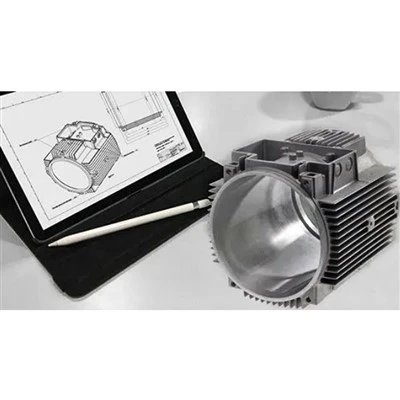
Understanding Density
Density is a fundamental physical property that measures the mass of a substance per unit volume. It is typically expressed in units such as grams per cubic centimeter (g/cm³) or kilograms per cubic meter (kg/m³). For zinc die castings, density is a crucial characteristic as it influences the weight, strength, and performance of the final product.
The density of pure zinc is approximately 7.14 g/cm³. However, in the context of zinc die castings, the actual density can vary depending on several factors. Zinc die castings are usually made from zinc alloys, which are mixtures of zinc with other elements such as aluminum, copper, magnesium, and lead. These alloying elements can significantly affect the density of the castings.
Density of Common Zinc Alloys in Die Casting
- Zamak Alloys: Zamak is one of the most commonly used zinc alloys in die casting. It typically contains around 4% aluminum, 1% copper, and small amounts of magnesium. The density of Zamak 3, which is a popular variant, is about 6.6 g/cm³. Zamak 5, with a slightly higher copper content, has a density of approximately 6.7 g/cm³. These alloys are favored for their excellent castability, high strength, and good surface finish.
- ZA Alloys: ZA alloys, such as ZA – 8, ZA – 12, and ZA – 27, have a higher aluminum content compared to Zamak alloys. ZA – 8 has a density of around 6.3 g/cm³, while ZA – 12 has a density of approximately 6.2 g/cm³. ZA – 27, with the highest aluminum content among these alloys, has a density of about 5.9 g/cm³. ZA alloys are known for their high strength and hardness, making them suitable for applications that require greater mechanical performance.
Why Density Matters in Zinc Die Castings
- Weight Considerations: The density of zinc die castings directly affects their weight. In applications where weight is a critical factor, such as automotive and aerospace components, choosing the right zinc alloy with an appropriate density can help reduce the overall weight of the product. This, in turn, can lead to improved fuel efficiency, lower transportation costs, and enhanced performance.
- Strength and Durability: Density is also related to the strength and durability of zinc die castings. Generally, alloys with higher densities tend to have greater strength and hardness. For example, Zamak 5, with a higher copper content and slightly higher density than Zamak 3, offers better wear resistance and mechanical properties. This makes it a preferred choice for applications that require parts to withstand heavy loads and frequent use.
- Cost – Effectiveness: The density of zinc die castings can impact the cost of production. Since the cost of raw materials is often based on weight, using a zinc alloy with a lower density can potentially reduce material costs. However, it’s important to balance cost savings with the required performance and quality of the final product.
Applications and Density Requirements
- Automotive Industry: In the automotive industry, zinc die castings are used for a variety of components, including door handles, locks, and engine parts. For parts where weight reduction is a priority, such as interior trim components, ZA alloys with lower densities may be preferred. On the other hand, for parts that require high strength and durability, like transmission housings, Zamak alloys with higher densities are more suitable.
- Electronics Industry: Zinc die castings are also widely used in the electronics industry for enclosures, connectors, and heat sinks. In this industry, the density of the castings can affect the electromagnetic shielding properties and heat dissipation capabilities of the components. For example, a higher – density zinc alloy may provide better electromagnetic shielding, while a lower – density alloy may be more suitable for heat – sensitive applications where weight needs to be minimized.
- Consumer Goods Industry: In the consumer goods industry, zinc die castings are used to make products such as toys, hardware, and decorative items. The density of the castings can influence the feel and appearance of the products. For example, a higher – density casting may give a more substantial and high – quality feel, while a lower – density casting may be more lightweight and easier to handle.
Measuring the Density of Zinc Die Castings
There are several methods for measuring the density of zinc die castings. One common method is the Archimedes’ principle, which involves measuring the mass of the casting in air and then in a liquid (usually water). By comparing the two masses, the volume of the casting can be calculated, and the density can be determined using the formula: density = mass/volume.
Another method is to use a density meter, which measures the density of the casting directly. These meters are often based on the principle of buoyancy or the measurement of the speed of sound in the material.
Quality Control and Density
As a zinc die casting supplier, ensuring the quality of our products is of utmost importance. Density is one of the key parameters that we monitor during the production process. Variations in density can indicate issues such as porosity, improper alloy composition, or casting defects. By regularly measuring the density of our zinc die castings, we can detect and address these issues early, ensuring that our products meet the required specifications and quality standards.
Conclusion

The density of zinc die castings is a critical property that can significantly impact the performance, weight, and cost of the final product. As a zinc die casting supplier, we understand the importance of choosing the right zinc alloy with the appropriate density for each application. Whether you’re in the automotive, electronics, or consumer goods industry, we can provide high – quality zinc die castings that meet your specific requirements.
Magnesium Die Casting If you’re interested in purchasing zinc die castings for your project, we’d be more than happy to discuss your needs. Our team of experts can help you select the right zinc alloy, design the optimal casting, and ensure that the final product meets your expectations. Contact us today to start the conversation and explore how our zinc die casting solutions can benefit your business.
References
- ASM Handbook, Volume 15: Casting. ASM International.
- Die Casting Design Handbook. Society of Die Casting Engineers.
- "Properties and Applications of Zinc Alloys" by the International Zinc Association.
Shenzhen Shunhaoda Technology Co., Ltd.
With abundant experience, we are one of the most professional zinc die casting manufacturers and suppliers in China. If you’re going to buy bulk high quality zinc die casting made in China, welcome to get free sample from our factory. Also, custom service is available.
Address: 902, Building A3, Tianrui Industrial Park, No. 35 Fuyuan 1st Road, Zhancheng Community, Fuhai Street, Bao’an District, Shenzhen
E-mail: sales@shdindustry.com
WebSite: https://www.shd-industry.com/
