Hey there! I’m a supplier of Containerized Energy Storage Systems (CESS). You might be wondering, what are the energy management strategies for these bad boys? Well, let’s dive right in. Containerized Energy Storage System

First off, let’s understand what a Containerized Energy Storage System is. It’s basically a self – contained unit that stores energy. Think of it as a big, mobile battery box that can be easily transported and installed. These systems are super useful in a variety of settings, from industrial plants to renewable energy farms.
So, what are the main energy management strategies for a CESS?
Peak Shaving
One of the most common strategies is peak shaving. You know how sometimes, during the day, the demand for electricity goes through the roof? Those are the peak hours. And guess what? Electricity prices are usually sky – high during these times. That’s where our CESS comes in.
We can charge the system during off – peak hours when electricity is cheap. Then, when the peak hours roll around, we can discharge the stored energy into the grid or directly to the end – user. This not only helps the end – user save money on their electricity bills but also eases the burden on the grid. It’s a win – win situation!
For example, a manufacturing plant that has a high demand for electricity during the day can use a CESS for peak shaving. They can charge the system at night when the electricity rates are low. During the day, when the prices are high and the plant needs a lot of power, they can rely on the stored energy in the CESS instead of drawing all the power from the grid at the expensive peak – time rates.
Load Levelling
Load levelling is another important strategy. The power demand from consumers is constantly changing. Sometimes it’s low, and other times it can spike. A CESS can be used to smooth out these fluctuations.
When the demand is low, the excess electricity can be stored in the CESS. Then, when the demand increases, the stored energy can be released, ensuring a stable and consistent power supply. This is especially crucial for utilities that need to maintain a reliable power grid.
For instance, in a residential area, the electricity demand is usually low in the early morning hours. The local utility can use this low – demand period to charge the CESS. As the day progresses and people start using more electrical appliances, the CESS can discharge energy to meet the increasing demand, keeping the power supply stable.
Arbitrage
Energy arbitrage is all about making money by taking advantage of price differences. The electricity market is dynamic, and the price of electricity can vary significantly depending on the time of day, season, and even weather conditions.
We can charge the CESS when the electricity price is low and sell the stored energy back to the grid when the price is high. This requires a good understanding of the electricity market trends and having the right forecasting tools.
Let’s say there’s a sudden drop in electricity prices due to an oversupply of renewable energy, like solar power on a sunny day. We can quickly charge the CESS. Later in the evening, when the solar power generation drops and the demand for electricity goes up, we can sell the stored energy at a higher price, making a profit in the process.
Integration with Renewable Energy Sources
Renewable energy sources like solar and wind are great, but they have a big drawback – they’re intermittent. The sun doesn’t shine 24/7, and the wind doesn’t blow all the time. A CESS can be a game – changer in integrating these renewable sources into the grid.
During periods of high renewable energy generation, we can store the excess energy in the CESS. Then, when the renewable energy generation drops, we can use the stored energy to continue supplying power. This helps in reducing the reliance on fossil – fuel – based power plants and makes the overall energy system more sustainable.
For a solar farm, during the middle of the day when the sun is shining brightly and the solar panels are producing a lot of energy, the excess energy can be stored in the CESS. At night or on cloudy days, the stored energy can be used to keep the power supply going.
Backup Power
In situations where there’s a power outage, a CESS can serve as a backup power source. This is extremely important for critical facilities such as hospitals, data centers, and emergency services.
These facilities can’t afford to lose power even for a few seconds. A CESS can be quickly activated during a power outage to provide continuous power until the main grid is restored. It gives these facilities the peace of mind knowing that they have a reliable backup in case of emergencies.
Now, let’s talk about how we implement these strategies.
We use a sophisticated energy management system (EMS) that monitors and controls the charging and discharging of the CESS. The EMS takes into account various factors such as electricity prices, power demand, and the state of charge of the batteries.
It uses real – time data and advanced algorithms to make smart decisions. For example, if the electricity price is expected to increase in the next few hours, the EMS will make sure to charge the CESS fully before the price hike. If there’s a sudden spike in power demand, the EMS will prioritize the discharge of the stored energy to meet the need.
We also offer customized solutions. Every customer has different needs, and we understand that. Whether you’re a small business looking for peak shaving or a large utility company wanting to integrate more renewable energy, we can design a CESS energy management strategy that fits your specific requirements.
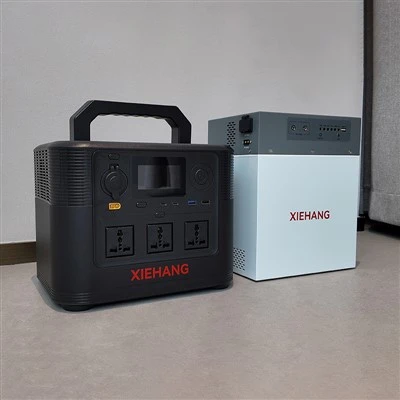
Our team of experts is always on hand to provide support and advice. We’ll work with you from the initial planning stage to the installation and ongoing operation of the CESS. We’ll also keep you updated on the latest trends and technologies in energy management, so you can make the most out of your investment.
All in One Home Energy Storage System So, if you’re interested in learning more about our Containerized Energy Storage Systems and the energy management strategies we offer, don’t hesitate to reach out. Let’s have a chat and see how we can help you save money, reduce your carbon footprint, and ensure a reliable power supply. Whether you’re a business owner, a utility operator, or just someone interested in a more sustainable energy future, we’re here to serve you. Get in touch with us and start exploring the possibilities of our CESS solutions today!
References
- "Energy Storage for Renewable Integration: Issues and Challenges" – Journal of Energy Storage
- "Peak Shaving and Load Management Using Energy Storage Systems" – IEEE Transactions on Power Systems
- "Energy Arbitrage and Market Strategies for Battery Energy Storage" – International Journal of Electrical Power & Energy Systems
Zhejiang Xiehang New Energy Equipment Co., Ltd.
As one of the most professional containerized energy storage system manufacturers and suppliers in China, our products have good reputation in the market. Please erst assured to wholesale custom made containerized energy storage system from our factory. If you have any enquiry about cooperation, please feel free to email us.
Address: No.5 Hechen Road, Zhouwangmiao Town, Haining, Jiaxing City, Zhejiang Province, China
E-mail: dan.wu@xiehang.net
WebSite: https://www.shineonpower.com/
