If you’ve ever stood in a grocery store, office hallway, or even a local café and stared at a bright red fire extinguisher hanging on a wall, you might’ve wondered: does that thing have to be there? Is it in the right spot? As someone who’s been selling fire extinguishers for over a decade—answering hundreds of calls a week from building managers, shop owners, and even first-time apartment renters—this question is way more common than you think. A lot of folks assume “fire safety” is just grabbing the first extinguisher they see at a hardware store and slapping it on a wall. But the truth is, there are actual rules for where these things go, and messing up that placement isn’t just a “fine” for a building inspector—it’s a risk to people’s lives. Let’s break this down, no stuffy jargon, just straight talk from someone who’s seen the mistakes (and the fixes) firsthand. Fire Extinguisher
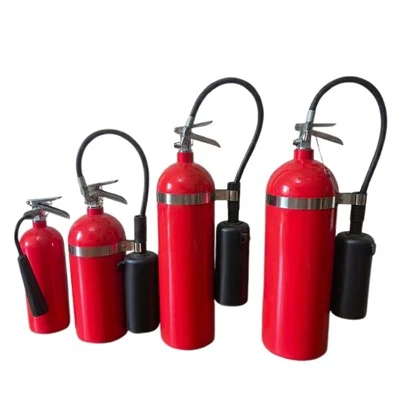
First off, let’s get the basics straight: the main rules here in the US come from the National Fire Protection Association (NFPA) 10, which is the go-to standard for portable fire extinguishers. If you’re a business owner, landlord, or facilities manager, this is your bible. There’s also OSHA (Occupational Safety and Health Administration) rules that back these up, so you can’t ignore them. The core idea isn’t random—extinguishers have to be easy to reach in an emergency, right when you need them, no climbing over boxes or ducking under a desk to grab one. That’s where the placement distance rules come in. I can’t tell you how many times I’ve gotten a panicked call from a café owner who’s got a kitchen fire, runs for the extinguisher, and it’s all the way on the other side of the dining room. By the time they get there, the fire’s already too big to put out. So distance isn’t just a number—it’s the difference between a small fire staying small and a disaster.
Let’s start with the distance breakdown, because that’s what most people ask about first. NFPA 10 sorts fires by type, and each type has its own maximum distance you have to keep extinguishers within. Don’t worry, I’ll make this simple, no confusing letter codes that sound like spy stuff. First, Class A fires—these are the common ones: wood, paper, cloth, ordinary combustibles like a pile of old books or a curtain on fire. For Class A, the rule is you can’t have to walk more than 75 feet to get an extinguisher. That’s about the length of two parked cars, if that helps visualize. Then there’s Class B fires—these are flammable liquids and gases, like gasoline, propane, or a grease fire in a deep fryer (wait, actually, grease is Class K, hold on, let’s not mix that up). Class B is liquids/gases that burn, so if you work at a gas station, auto shop, or any place with big fuel tanks, max distance is 30 to 50 feet, depending on how much flammable stuff you have around. If you’ve got a whole bunch of those liquids, you go with the shorter 30 feet. Then Class C fires—those are electrical: wiring, outlets, servers, the office printer that won’t die and catches fire. For Class C, you follow the same distance as whichever Class A or B the area is attached to, usually 30 or 75 feet. And don’t sleep on Class K—those are commercial kitchen grease fires, specific to restaurants and cafeterias. For Class K, max distance is just 30 feet, because grease fires spread fast and are way trickier to put out. I always tell restaurant owners: measure that distance before you hang an extinguisher. I’ve had one client in Chicago who hung theirs right by the front door, and when a fryer caught fire in the back, they had to run 50 feet around a bunch of tables to get to it. By the time they got back, the whole kitchen was smoking. They ended up buying two more extinguishers, one right by the fry station—game changer.
Next big rule: height and clearance. I see so many people hang extinguishers too high or too low, and that’s a huge no. NFPA 10 says the top of the extinguisher can’t be more than 5 feet above the floor, and the bottom has to be at least 4 inches off the ground. Why? If there’s a fire, people might be panicking, maybe the smoke is low, so you don’t want them climbing a chair to reach a fire extinguisher that’s 7 feet up—they could fall, or knock it over and crack it. And if you hang it too low, like at kid height, some rambunctious teen might knock it over for a prank, and then when you need it, it’s broken. I also always tell people to leave clearance around it—no stacking boxes in front, no hanging a coat rack next to it, no putting a vending machine in front of it. Last year, I got a call from an office manager whose building had a small server room fire. The extinguisher was right there, but there was a big stack of printer paper boxes leaning against it. The guy tried to move them, tripped, and by the time he got the extinguisher out, the server room was toast. He had to replace $10k worth of servers, all because he didn’t clear 2 feet of space around it. Pro tip: if you can’t read the big red label on the extinguisher from 3 feet away, that’s too much stuff in the way.
Wait, what about specific areas that are tricky? Not just random hallways. Let’s talk about kitchens, storage rooms, stairwells, even outside. Commercial kitchens we touched on Class K, but also, they usually need both Class K and Class B/C extinguishers, right? Because you have grease, but you also have electrical stuff like fryer controls. And those kitchen extinguishers can’t be hidden in a closet—they have to be right near the cooking equipment, not down the hall. I once had a bakery owner who stored their kitchen extinguishers in a back supply closet, and when a muffin tin caught fire, the staff wasted 2 minutes looking for it. That’s 2 minutes a small fire can turn into a whole room on fire. Then storage rooms—if you’re storing a ton of cardboard boxes, paint cans, cleaning supplies, that’s Class A and B, so you need to follow that distance rule. If it’s a walk-in fridge, that’s electrical, so Class C, but again, distance follows what’s in there. Stairwells and exit routes—super important. You can’t put a fire extinguisher in a stairwell exit, blocking the way, but you have to have them near exits, right? NFPA says you should have extinguishers visible along exit paths, so someone doesn’t have to leave the exit route to grab one. Also, don’t put them right next to a door that locks, that’s another mistake I see. If the door’s locked during a fire emergency, no one can get the extinguisher. Outside areas, like loading docks, trash areas where paper and cardboard pile up—those need their own extinguishers too, not the ones inside the building. Last year, a warehouse had a trash bin fire by the loading dock, and the only extinguisher was inside the main office, 100 feet away. By the time someone ran back, the bin was burning the dock, and they had to call the fire department. We ended up sending two extinguishers for the loading dock, and they put a stop to that real quick.
What about residential places? Wait, a lot of my customers ask about apartments and homes, and a lot of people assume the rules are different, but basically they follow the same NFPA 10 guidelines, just scaled down. For homes, you usually have Class A (wood, paper), Class C (electrical), and sometimes Class B for things like paint or lighter fluid. The distance rule for homes is max 75 feet, same as Class A, and you should have at least one extinguisher on every floor, near the kitchen, garage, and bedrooms. I always tell homeowners not to put the only extinguisher in the basement if bedrooms are on the second floor. If a fire starts in the kitchen at 2 a.m., you don’t want to run all the way down a dark basement stairs to grab a thing.
Now, common mistakes I see all the time, so you can avoid them. First, using the wrong type of extinguisher for the area. A water-based extinguisher (good for Class A) on an electrical fire—you can get shocked, that’s bad. A regular extinguisher on a grease fire—won’t work, grease fires need a Class K. Second, not checking if the extinguisher is accessible, like we talked about with boxes in the way. Third, outdated extinguishers. Extinguishers have a lifespan, usually 10 to 15 years, and they need to be inspected annually. A lot of people hang one and forget about it, and then the pressure’s low, or the nozzle’s clogged, so when you need it, it doesn’t work. I had a coffee shop owner once who had an extinguisher that was 12 years old, passed inspection, but when we tested it, the pressure was 20% low. That’s a ticking time bomb. Fourth, putting extinguishers in a random spot just because there’s a wall—like a dead end hallway that no one uses. That’s useless. It needs to be along a main path, where people will be in an emergency.
Wait, what about local codes? A lot of people think NFPA is the only rule, but some cities or states have their own extra requirements. For example, New York City has stricter rules for restaurants, requiring more extinguishers per square foot than the national standard. California has rules for multi-family apartment buildings that every hallway must have an extinguisher if the unit is over a certain size. That’s why I always tell customers: check your local fire marshal’s website, or if you’re not sure, just ask. We help a lot of first-time business owners navigate that—we don’t just sell you an extinguisher, we tell you exactly where to put it per your city’s rules, based on the type of business you have.
I get it, this all sounds like a lot of hoops to jump through, but it’s not as complicated as it seems. The core of all these rules is simple: make sure anyone can grab an extinguisher fast, no matter where a fire starts, and that it’s the right one for the job, easy to reach, and in good shape. I’ve been in this business long enough to see what happens when you skip these steps, and it’s never pretty. A few extra minutes measuring distance, clearing space, and following the rules can save lives, and also save you from huge fines—OSHA can fine businesses up to $15,000 per serious violation for bad fire extinguisher placement, that’s no joke.

If you’re a business owner, building manager, homeowner, or anyone who needs to make sure your fire safety setup is up to code, we can help. We don’t just sell fire extinguishers—we give advice on placement, type, inspection, whatever you need. Shoot us a message or give us a call, and we can walk through your space, answer any questions, and make sure your fire safety is on point. Don’t wait until it’s too late—stay safe, and follow the rules, they’re there for a reason.
Plastic Fire Extinguisher Cabinets References:
NFPA 10, Standard for Portable Fire Extinguishers, National Fire Protection Association
OSHA 29 CFR 1910.157, Portable Fire Extinguishers
International Fire Code (IFC) Section 906, Portable Fire Extinguishers
National Fire Protection Association (NFPA) Pocket Guide to Fire Safety Equipment
Shaoxing Weimin Fire Fighting Equipment Co., Ltd.
Shaoxing Weimin Fire Fighting Equipment Co., Ltd. is one of the most professional fire extinguisher manufacturers and suppliers in China, also supports customized service with low price. Welcome to buy discount fire extinguisher in stock here and get quotation from our factory. 5 years warranty is available.
Address: CHINA
E-mail: info@weiminfire.com
WebSite: https://www.weiminfire.com/
