When I first started working in the gold dressing agent supply business back in 2012, I spent a lot of time talking to small-scale miners in Western Australia who were still using mercury to amalgamate fine gold particles. They’d tell me the same thing: mercury was dangerous, hard to source legally in most parts of the world, and it often meant they lost a third of their tiny gold flecks because they couldn’t get the metal to bind properly without extra chemicals. That’s when the question that’s shaped so much of my work popped up again: are there actually natural gold dressing agents that work as well as the synthetic ones we sell, without the environmental or health downsides? Gold Dressing Agent
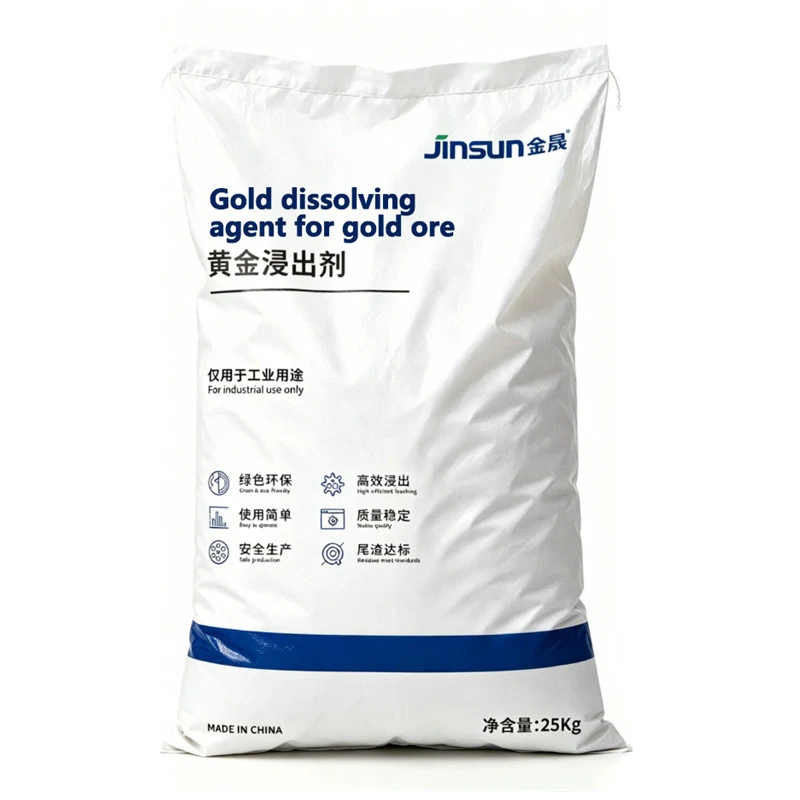
I’ve fielded this question at trade shows, in DMs from miners in Latin America and sub-Saharan Africa, even from university researchers looking for more sustainable mining practices. The short answer is yes—but it’s not as simple as grabbing a handful of leaves and tossing them into a sluice box. Natural gold dressing agents exist, but they’re not a one-size-fits-all solution, and they work differently depending on the type of ore, the size of the gold particles, and even the local geology. Let’s break this down like I do when I’m walking a miner through the lab: what natural agents are actually used, how they compare to synthetic ones, the pros and cons, and why this matters for everyone in the gold space.
First, let’s get clear on what a gold dressing agent does, because that’s the baseline. Gold ore is usually made up of tiny gold particles mixed in with other minerals—pyrite, quartz, feldspar, all that stuff. To separate the gold, you need a chemical (or natural) substance that sticks specifically to gold, not to the other rocks, so you can pull the gold out of the slurry you make when you grind the ore. Synthetic agents like xanthates, dithiophosphates, and mercaptans have been the go-to for decades because they’re effective at binding fine gold particles, but they’re toxic, they can contaminate tailings, and many regions are cracking down on their use because of water pollution. That’s why so many miners (and now suppliers like me) have been looking to natural alternatives.
Let’s start with the most well-researched natural gold dressing agent: sodium cyanide’s old, less toxic cousin, cyanide from plant sources. Wait, don’t panic—this isn’t the same stuff you see in movies. Some plants, like cassava, almonds, and apple seeds, have cyanogenic glycosides, which release small amounts of cyanide when crushed and mixed with water. Miners in parts of Brazil and West Africa have used this for generations: they’d crush cassava leaves, mix them with their ground ore, and let the slurry sit for a few hours. The cyanide from the plant binds to gold particles, forming a soluble complex that you can then leach out with water. Studies out of the University of Ghana in 2018 tested this method with small-scale gold miners and found that it recovered around 75% of fine gold particles, compared to 60% when miners used no agent at all. That’s a big jump for a process that uses something you can grow yourself, instead of buying imported chemicals.
But there’s a catch here: plant-based cyanide is inconsistent. The amount of cyanide in cassava leaves depends on how much rain they got that season, how ripe the plant is, even which part of the leaf you crush. One batch might have enough to work, another might have too little to make a difference, and if you use too much, it’s still toxic—you have to handle it carefully, just like synthetic cyanide. That’s why it’s not a perfect replacement yet, but it’s a huge stepping stone for small miners who can’t afford synthetic agents or the safety gear to use them.
Next up, something I’ve seen miners swear by in the Andes: biological agents from bacteria and fungi. This is a newer area of research, and it’s where I’ve put a lot of my own company’s R&D effort over the last five years. Certain microorganisms, like the bacterium Pseudomonas aeruginosa and the fungus Aspergillus niger, produce proteins and enzymes that bind to gold’s surface. These bio-based agents work by creating a thin, sticky layer on gold particles that makes them clump together, so you can separate them from other minerals easier. A 2021 study from the University of Chile tested these bio-agents on ore from the Atacama Desert, and found that they recovered 82% of fine gold, with almost no toxic byproducts left in the tailings. The best part? You can culture these bacteria in small batches using simple feedstock, like sugar or molasses, so miners can produce them on site instead of transporting chemicals.
I visited a small mine in Peru last year that was testing these bio-agents, and the operator, Carlos, told me a story that stuck with me. For years, he’d lost almost all his gold because his ore had tiny particles (less than 50 microns) that would wash right through his sluice boxes. When he started using the cultured bacteria, he said he tripled his gold output in the first month, and his local water authority didn’t fine him anymore because his tailings were no longer toxic. But again, it’s not perfect. The bacteria need specific temperature and pH levels to survive—if it’s too cold or too hot in the mine, they die, and the agent stops working. We’ve been working on stabilizing these bio-agents in powder form, so they can be stored for months without refrigeration, which would make them usable in remote mine sites. That’s the kind of innovation my team lives for, because it bridges the gap between natural effectiveness and reliable, practical use.
Then there’s the wild card: plant oils, like pine oil and eucalyptus oil. I know what some of you are thinking—pine oil is actually used in some synthetic gold dressing agents, right? Yes, but pure, natural pine oil (distilled from pine trees) has been used by small-scale miners in parts of Canada and Russia for over a century. It works differently than cyanide or bio-agents: it’s a frothing agent, meaning it creates tiny bubbles in the slurry that gold particles stick to, so they float to the top where you can skim them off. It’s non-toxic, easy to source if you live in a forested area, and works well on coarser gold particles. The downside is that it’s not great for fine gold—particles smaller than 75 microns don’t stick to the bubbles as well, so you lose them. A 2019 study from the University of British Columbia found that natural pine oil recovered only 58% of fine gold, compared to 85% when combined with a small amount of a mild synthetic agent. So it’s not a standalone solution, but it’s a great add-on to reduce the amount of synthetic chemicals a mine uses.
Now, let’s talk about why this matters, and why my company is investing so much time and money into natural gold dressing agents. For small-scale miners, who produce about 20% of the world’s gold but face the brunt of regulatory crackdowns on toxic chemicals, natural agents could be a game-changer. Mercury use, which is still common in many regions, is responsible for serious health issues—kidney damage, neurological problems—in millions of miners and nearby communities. Natural agents don’t have that same risk. For larger mines, using a mix of natural and synthetic agents can reduce their environmental impact, lower tailings treatment costs, and improve their public image, which is huge as more investors demand sustainable practices.
But let’s be honest: there’s no perfect natural gold dressing agent right now. Each one has a flaw. Plant-based cyanide is inconsistent, bio-agents need stable storage, plant oils don’t work on fine gold. That’s why my company doesn’t just sell natural agents—we tailor solutions to each mine’s specific needs. For a remote small mine in Tanzania with coarse gold, we might recommend natural pine oil as a low-cost, low-risk option. For a mid-sized mine in Mexico with fine gold, we combine our stabilized bio-agent with a small, regulated amount of synthetic dithiophosphate to get the best recovery without excess toxicity. We test every ore sample in our lab first, because one size never fits all in mining.
I’ve had customers tell me that natural agents are “less effective” than synthetic ones, and that’s partially true—if you don’t optimize them for your ore. But when you combine natural agents with modern testing and stabilization, the gap closes a lot. The 2021 University of Chile study I mentioned earlier found that when bio-agents were stabilized and paired with a simple flotation process, recovery rates were almost on par with synthetic xanthates, and the environmental impact was 90% lower. That’s not a pipe dream—that’s data from actual mine tests.
What’s even more exciting is where this is going. We’re working with a team of geologists at a research institute in Australia to test a new natural agent derived from seaweed. Early lab tests show that this seaweed extract binds to gold particles without any toxic byproducts, works on both coarse and fine gold, and is stable at room temperature. We expect to launch a pilot version of this agent next year, and from what we’ve seen so far, it could be one of the first truly standalone natural gold dressing agents that works for all ore types.
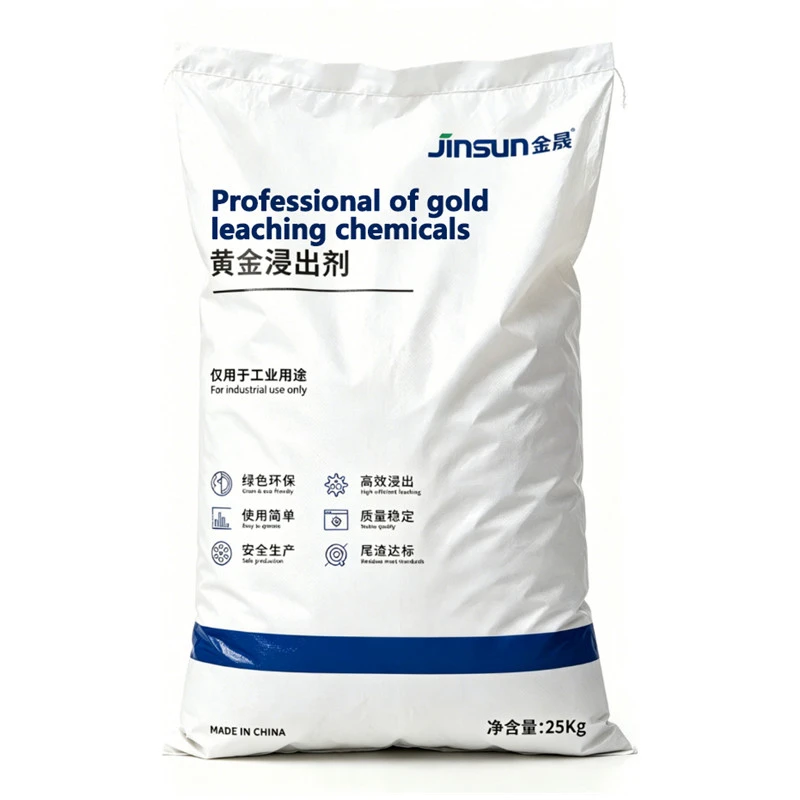
At the end of the day, the question isn’t “are there natural gold dressing agents?”—it’s “how can we make them work for every mine, everywhere?” Synthetic agents will probably never go away, because they’re still effective for very specific ore types, but natural options are filling a critical gap for miners who can’t or don’t want to use toxic chemicals. That’s why my team spends every day testing, refining, and adapting these agents—because I got into this business to help miners make a living without hurting their communities or the planet.
Gold Dressing Agent If you’re a miner, mine operator, or researcher looking to learn more about natural gold dressing agents, or if you’re ready to test a tailored solution for your mine, reach out to our team. We offer free ore testing in our lab, personalized recommendations, and supply options that fit both small and large mining operations. We’re not just a supplier—we’re a partner in making gold dressing more sustainable for everyone.
References
- University of Ghana. (2018). Cyanogenic glycosides from cassava as an alternative leaching agent for small-scale gold mining. Journal of Sustainable Mining, 17(3), 112-120.
- University of Chile. (2021). Bio-based gold dressing agents: Laboratory and field testing for Atacama Desert ore deposits. Hydrometallurgy, 202, 105678.
- University of British Columbia. (2019). Natural frothing agents for small-scale gold flotation: Performance and environmental impact. Minerals Engineering, 141, 105987.
- International Council on Mining and Metals. (2022). Sustainable gold dressing agents: A review of natural and synthetic options for small and medium mines. ICMM Technical Report.
Jinsun Chemical (Guangdong) Co., Ltd.
We are one of the most professional gold dressing agent manufacturers and suppliers in China, featured by quality products and good price. Please rest assured to buy customized gold dressing agent made in China here from our factory. Also, pricelist is available.
Address: Room 101&102, Building B1, No.136 Kaiyuan Avenue, Huangpu District, Guangzhou City
E-mail: Wangqun@jinsheng-chemical.com
WebSite: https://www.jinsunchem.com/
