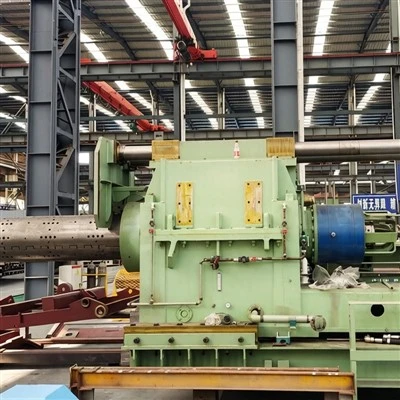
As a provider of heating furnaces, I’ve seen firsthand the transformative impact that high – efficiency heating furnaces can have on energy consumption and cost savings. In this blog, I’ll delve into the energy savings associated with these advanced heating solutions, shedding light on why they are a smart investment for both residential and commercial customers. Heating Furnace
Understanding High – Efficiency Heating Furnaces
Before we discuss the energy savings, it’s important to understand what makes a heating furnace "high – efficiency." High – efficiency heating furnaces are designed to convert a larger percentage of the fuel they consume into heat. This is typically measured by the Annual Fuel Utilization Efficiency (AFUE) rating. A standard furnace might have an AFUE rating of around 80%, meaning that 80% of the fuel is converted into heat, while the remaining 20% is lost through exhaust and other inefficiencies. In contrast, high – efficiency furnaces can have AFUE ratings of 90% or higher, with some top – of – the – line models reaching up to 98%.
Energy Savings in Residential Settings
Reduced Fuel Consumption
One of the most significant energy savings in residential use comes from reduced fuel consumption. Consider a typical family home heated by a standard 80% AFUE furnace. If the furnace consumes 100 units of fuel, only 80 units are actually used to heat the home, and 20 units are wasted. Now, if the same home switches to a 95% AFUE high – efficiency furnace, for every 100 units of fuel, 95 units are converted into heat. This means that the home can achieve the same level of heating with significantly less fuel.
Over the course of a heating season, this can result in substantial savings. For example, in a cold climate where a family might use 1000 gallons of fuel oil in a season with a standard furnace, switching to a high – efficiency furnace could reduce that consumption to around 842 gallons (assuming the same heat output requirements). This not only saves money on fuel costs but also reduces the environmental impact of home heating.
Lower Energy Bills
The reduced fuel consumption directly translates into lower energy bills. Homeowners can expect to see a noticeable decrease in their monthly heating expenses. In addition to the immediate savings on fuel, high – efficiency furnaces often have better insulation and more advanced controls, which further contribute to energy savings. For instance, some high – efficiency furnaces are equipped with variable – speed blowers that can adjust the airflow based on the heating needs of the home. This means that the furnace doesn’t have to run at full capacity all the time, reducing energy waste and saving money.
Longer Equipment Lifespan
High – efficiency heating furnaces are generally built with higher – quality components and more advanced technology. This often results in a longer lifespan compared to standard furnaces. A longer – lasting furnace means fewer replacements, which in turn saves money on the cost of new equipment and installation. Additionally, a well – maintained high – efficiency furnace is less likely to break down, reducing the need for costly repairs and service calls.
Energy Savings in Commercial Settings
Large – Scale Fuel Reduction
In commercial buildings, the energy savings from high – efficiency heating furnaces can be even more substantial. Commercial spaces typically have larger heating requirements than residential homes, and the cost of fuel can be a significant expense. A high – efficiency furnace can reduce fuel consumption on a large scale, resulting in significant cost savings. For example, a large office building or a warehouse might use thousands of cubic feet of natural gas or tons of heating oil in a heating season. By switching to a high – efficiency furnace, the building owner can reduce this consumption by 10 – 20% or more, depending on the initial efficiency of the existing furnace.
Improved Temperature Control
Commercial buildings often have different heating needs in different areas. High – efficiency furnaces can provide better temperature control, allowing for more precise heating in specific zones. This is especially important in buildings with areas that are used for different purposes, such as offices, warehouses, and retail spaces. By heating only the areas that need it, energy waste is minimized, and overall energy efficiency is improved.
Environmental Benefits and Regulatory Compliance
In addition to cost savings, high – efficiency heating furnaces offer environmental benefits. They produce fewer emissions, which helps to reduce the carbon footprint of commercial buildings. Many local and national regulations are becoming more stringent regarding energy efficiency and emissions. By installing a high – efficiency furnace, commercial building owners can ensure that their buildings are in compliance with these regulations, avoiding potential fines and penalties.
Factors Affecting Energy Savings
Climate
The climate in which the furnace is used plays a significant role in the energy savings. In colder climates, where heating is required for a longer period of time, the energy savings from a high – efficiency furnace will be more pronounced. For example, in a region with a long, cold winter, the furnace will run more hours, and the reduced fuel consumption will result in greater savings over the heating season. In contrast, in a milder climate, the savings may be less significant, but they are still present.
Home or Building Insulation
The insulation of the home or building also affects the energy savings. A well – insulated building will retain heat better, reducing the load on the furnace. Even with a high – efficiency furnace, if the building has poor insulation, a significant amount of heat will be lost, and the energy savings will be diminished. Therefore, it’s important to ensure that the building is properly insulated before installing a high – efficiency furnace to maximize the savings.
Furnace Sizing
Proper furnace sizing is crucial for achieving optimal energy savings. An oversized furnace will cycle on and off more frequently, which can waste energy. On the other hand, an undersized furnace will have to run continuously to meet the heating needs, also resulting in inefficiency. A professional HVAC technician can perform a load calculation to determine the correct size of the furnace for the home or building, ensuring that it operates at peak efficiency.
Conclusion
In conclusion, high – efficiency heating furnaces offer significant energy savings in both residential and commercial settings. The reduced fuel consumption, lower energy bills, longer equipment lifespan, and environmental benefits make them a smart investment. However, it’s important to consider factors such as climate, insulation, and furnace sizing to maximize these savings.
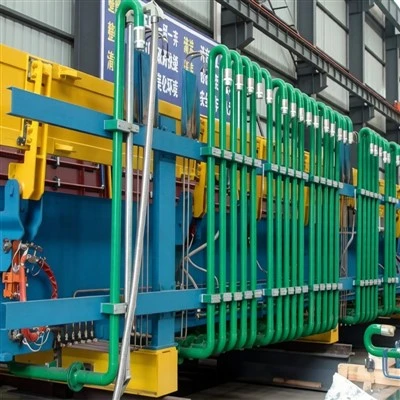
Furnace Tube If you’re interested in learning more about our high – efficiency heating furnaces and how they can save you energy and money, I encourage you to reach out to us. Our team of experts can provide you with detailed information, perform a load calculation for your home or building, and help you choose the right furnace for your needs. We look forward to the opportunity to work with you and help you achieve greater energy efficiency.
References
- "Heating System Efficiency." U.S. Department of Energy.
- "AFUE Ratings for Furnaces." Energy Star.
- "Commercial Building Energy Efficiency." American Council for an Energy – Efficient Economy.
Jiangsu Dongfang Whole-Set Equipment Manufacturing Group Co., Ltd.
We are one of the most professional heating furnace manufacturers and suppliers in China, also support customized service. With abundant experience, we warmly welcome you to buy durable heating furnace from our factory. If you have any enquiry about pricelist, please feel free to email us.
Address: No. 9, Industrial Park, Xinqiao Town, Jingjiang City, Jiangsu Province
E-mail: dfctwm@163.com
WebSite: https://www.dongfangequip.com/
