If you’ve ever stood next to a running automatic machine tool in a production shop, watched metal chips fly, and seen parts repeat perfectly every single second, you’ve probably wondered how all those moving parts coordinate so seamlessly. For over a decade, I’ve been on the ground with these machines—traveling to small fabrication shops, large automotive parts factories, and everything in between as someone who’s specialized in supplying automatic machine tools and their supporting systems. One of the most common questions I get from operators, maintenance techs, and even plant managers is: “What exactly does the pneumatic system do for these machines? I know it helps move things, but it feels like it’s holding the whole operation together.” Automatic Machine Tools
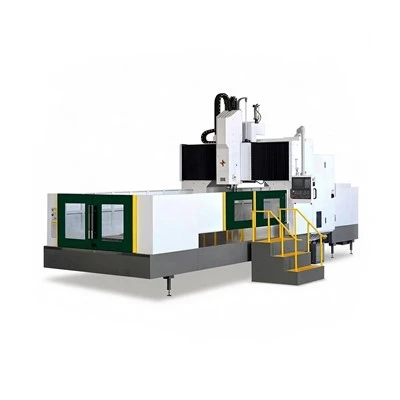
It’s true. Pneumatic systems for automatic machine tools aren’t just a secondary add-on—they’re foundational to the machine’s reliability, speed, and consistency, which is everything when you’re running parts 24/7. Let’s break this down, starting with the basics: pneumatic systems use compressed air to transfer power, right? That’s simple enough on the surface, but when integrated into an automatic machine tool, that compressed air is calibrated, filtered, and routed to do specific jobs that electrical or hydraulic systems can’t match, or can’t do as efficiently. Over the years, I’ve seen more than one production line shut down because someone tried to skimp on their pneumatic system upgrade, only to realize the old setup couldn’t keep up with new production demands. Let’s walk through the key functions these systems perform, with real examples from shops I’ve worked with to keep this grounded, not just theoretical.
First, pneumatic systems are the workhorses for rapid, high-force clamping and fixturing. Automatic machine tools can’t hold parts by hand—so they need a way to secure workpieces tightly and consistently, even when a drill bit is spinning at 10,000 RPM or a milling cutter is shaving off half a millimeter of steel. When I installed a new line of horizontal machining centers for a small aerospace parts shop in Detroit last year, the old machine used manual toggle clamps, which were slow and prone to human error. The new machines had pneumatic actuators tied directly to their control systems. When a robot loaded a aluminum bracket into the fixture, the machine’s PLC sent a 24-volt signal to open a solenoid valve, which released compressed air to a cylinder that pulled the clamp tight in less than half a second. No more waiting for an operator to tighten a clamp, no more variation in how tight each part was held—variation that would have caused 10% of parts to be scrapped. Pneumatic clamps are perfect here because they deliver consistent, linear force without getting too hot, which is a big deal when you’re working with sensitive materials like titanium or composite parts that can warp if held too tight. I’ve also seen shops use pneumatic workholding for quick changeovers—when a job runs out, the system can swap out clamps for a different part in seconds, compared to 20 minutes with manual clamps. That’s the kind of efficiency that turns a profit.
Next, a function I don’t see enough people talk about: pneumatic systems handle tool change and tool maintenance. Automatic machine tools have to swap out drill bits, end mills, and taps dozens of times an hour, depending on the part. That’s not done by hand—it’s done by a tool changer, and most modern tool changers rely on pneumatic power. The last line of vertical machining centers I supplied to a medical device manufacturer in Minnesota had 24-tool magazines. When the machine’s control detects a tool is worn or needs a different size, it sends a signal to actuate a pneumatic cylinder that pulls the old tool out of the spindle, holds it in place temporarily, then pushes the new tool into the spindle and locks it with the right amount of torque. Why pneumatic here? Electric actuators can sometimes be too slow for high-volume shops, and hydraulic systems have a tendency to leak oil, which is a huge no-no in medical manufacturing where parts go inside the human body. Compressed air is clean, easy to route through small spaces, and has just the right amount of force to grab a 1-pound tool without damaging it. I’ve also used pneumatic systems for tool blow-off—after a part is machined, compressed air blasts the metal chips and coolant off the tool holder, so the next tool doesn’t drag debris into the spindle, which would cause scratches or premature wear. That small step has cut tool replacement costs for some of my clients by 15% a year.
Then there’s the role pneumatic systems play in chip handling and debris management, which is critical for keeping automatic machine tools running without unplanned downtime. Metal chips and coolant that get left on the machine bed or inside the fixture can cause parts to be misaligned, or even jam the machine’s moving parts. Most shops use pneumatic air knives or nozzles connected to their machine’s control system to blow chips away at specific points in the cycle. For example, when I worked with a heavy equipment parts manufacturer in Ohio that makes axle housings, the machine would machine a 12-inch steel block, and after the milling pass, a pneumatic nozzle would direct a high-pressure air burst into the cavity where the chip was stuck. No more having to pause production to clear chips manually—this was all automated, part of the same cycle that loaded and machined the part. Pneumatic chip blow is also safer than other methods, because you don’t have to have high-force fluid under pressure near spinning tools. I’ve had maintenance techs tell me that before they upgraded to a dedicated pneumatic chip system, they’d lose 2-3 hours a week clearing chips by hand—time that adds up to thousands of dollars in lost output every month.
Another key function is actuation of auxiliary components that keep the machine running smoothly, like door interlocks, lubrication systems, and even part ejection. Automatic machine tools are enclosed for safety, right? You can’t have an operator reaching into a machine while it’s running at full speed. Pneumatic cylinders open and close those safety doors automatically, triggered by the machine’s control system. When a part is done machining, the door unlocks, and a pneumatic arm pushes the finished part onto a conveyor or into a bin. I once had a client who was fighting with a hydraulic door system that leaked and caused rust on the machine’s frame, so we switched it to pneumatic doors and haven’t had a safety incident or door failure in two years. Pneumatic systems here are also used for lubrication—many automatic machine tools use pneumatic pumps to deliver a precise amount of cutting oil or grease to the tool, the spindle, and the guide rails at set intervals. Too much grease and you get a mess, too little and the spindle wears out fast. Compressed air lets us meter that amount perfectly, so the system only uses the amount it needs, cutting lubricant costs while extending the life of the machine’s moving parts. I’ve seen this add up to a 20% reduction in maintenance costs for clients over three years.
Wait, I should also address why pneumatic is preferred over other power sources for these functions, especially when you’re integrating with automatic machine tools. Hydraulic systems use oil, which can leak, is messy, and requires regular maintenance to change fluid and filters. Electric actuators work for some jobs, but they’re bulkier, more expensive to install for high-force, fast-cycle tasks, and can be prone to overheating when running constantly on 24/7 shifts. Pneumatic systems? Compressed air is cheap, especially if you have a central compressor system that runs multiple machines. It’s clean, easy to route through small lines around the machine, and has inherent safety benefits—if a line breaks, it’s just air, not oil under high pressure that can cause a fire or contaminate parts. That’s a big selling point, especially for food-grade, medical, or aerospace manufacturing where contamination is a non-negotiable rule.
Of course, this isn’t to say pneumatic systems don’t need attention. Over the years, I’ve seen plenty of shops cut corners on their pneumatic maintenance—forgetting to change filters that clean the compressed air, letting moisture build up in lines, or using worn solenoid valves that don’t trigger the right force. That’s where my role as a supplier comes in—we don’t just sell machines, we work with clients to set up regular pneumatic system checks, make sure their compressors are sized correctly for their production volume, and upgrade components when they start to show wear. Last year, a small job shop in Texas thought their pneumatic system was fine, but their main compressor was 15 years old and couldn’t deliver consistent air pressure when all three of their automatic machines ran at the same time. We upgraded their compressor and added dryers to remove moisture, and their part scrap rate dropped by 8% within a month. That’s the kind of result that makes all the difference for small businesses operating on tight margins.
So if you’re running an automatic machine tool operation, or thinking about upgrading to new machines, don’t overlook the pneumatic system. It’s not a afterthought—it’s what makes the machine run fast, run accurately, and run without unplanned downtime. If you’re looking to upgrade your pneumatic system, or need new automatic machine tools tailored to your production needs, I’m here to walk through your options, answer your questions, and make sure you get the setup that works for your shop. Whether you’re a small shop just scaling up or a large facility looking to boost output, we can help you find the right solution without the guesswork.

If you have questions about upgrading your pneumatic system for automatic machine tools, or would like to discuss equipment tailored to your production needs, feel free to reach out to discuss your requirements in detail.
CNC Machine Tools References
- Automatic Machine Tool Design and Operation, Industrial Press, 2019
- Pneumatics for Manufacturing Systems, Society of Manufacturing Engineers, 2021
- “Advancements in Pneumatic Workholding for CNC Machining,” Manufacturing Engineering Journal, Vol. 166, No. 3, 2020
- Maintenance Best Practices for Pneumatic Systems in Industrial Automation, Plant Engineering, 2022
Yuhuan County ZheXuan Machinery Factory
As one of the most professional automatic machine tools manufacturers and suppliers in China, we’re featured by high quality customized products. Please rest assured to wholesale bulk automatic machine tools in stock here from our factory. Also, quotation is available.
Address: Xiafan Village, Qinggang Town, Yuhuan City
E-mail: zxjc1313@126.com
WebSite: https://www.zxmachinetool.com/
