Hey there, it’s Mia from the PVC air duct team – you know, the folks who make those durable, budget-friendly ducts you count on for everything from home HVAC setups to small industrial ventilation projects. I get it, when it comes to duct cleaning, most people either Google it at 2am after noticing weird dust or wind noise from their vents, or wait way too long until their energy bills spike or allergies act up. And if you’ve got PVC ducts specifically? There’s a ton of half-baked advice out there that’s either too harsh, too lazy, or just plain wrong for the material. I’ve seen it all – clients scratching their heads over chemical burns on their ducts, or vacuuming so hard they cracked a seam, so today I’m breaking down exactly how to clean your PVC air duct right, no fancy tools needed, no risk of messing up your system. Let’s dive in. PVC Air Duct
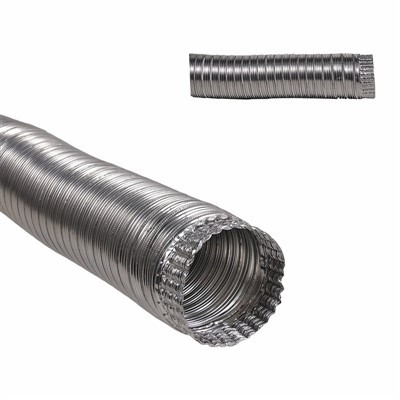
First, quick reminder: why PVC ducts are different from the fiberglass or metal ones you might’ve heard about. PVC is super smooth, right? That’s why it’s such a popular pick – it resists mold and debris buildup way better than other materials, which is why our products come with a 5-year warranty for mold-free air flow, as long as you maintain them properly. But that doesn’t mean they never get gunked up. Over time, dust mites, pet dander, even that random piece of lint that slips through your filter can accumulate, especially in areas with high humidity (hello, laundry rooms or basements!). The key here is to not overdo it – PVC can handle mild cleaners, but aggressive scrubbing or too much moisture can warp the joints or strip the protective coating, which is a big no-no. I’ve had clients yell at me because they used bleach and turned their ducts yellow – that’s not a stain you can buff out, trust me. So first rule: stick to mild, pH-neutral cleaners, skip the bleach, ammonia, or anything abrasive like steel wool or scouring pads.
Now, let’s talk about when you actually need to clean these ducts. You don’t have to do this on a strict 12-month schedule like some big duct cleaning companies will try to sell you. For most residential setups with PVC ducts, every 2-3 years is enough, unless you’ve got specific red flags. Those red flags include: visible mold or mildew growing around vent covers or duct seams, a sudden spike in allergy symptoms that your doctor can’t blame on pollen, weird musty smells that don’t go away when you change your air filter, or if you recently had construction in your home that stirred up drywall dust (that stuff is impossible to get off filters alone). If none of these are happening, just change your air filter every 1-3 months (depending on if you have pets or smokers) and you’re good.
Okay, let’s get to the step-by-step process, which I’ve tested on hundreds of our own duct samples over the years, so I can promise this works. First, gather your supplies – nothing fancy, I swear. You’ll need: a wet-dry vacuum (the 5-gallon ones from Home Depot work, no need for that $500 professional kit), a microfiber cloth (not a paper towel, those leave lint), a spray bottle of warm water mixed with a tiny bit of mild dish soap (like Dawn, not the ultra-concentrated stuff that’s for grease), a soft-bristle brush (like a dish brush with non-scratch bristles, or a duct brush if you’ve got one, but we’ll show you how to do it without), and some clean rags for wiping up spills. Oh, and a pair of rubber gloves – because even mild dish soap can irritate your hands if you’re scrubbing for 30 minutes.
Step 1: Prep the area and shut down your system. This is non-negotiable. Turn off your HVAC unit, furnace, or whatever is running the duct system – you don’t want dust blowing all over your house while you’re cleaning. Then, remove all the vent covers and registers – take a pic of how they’re screwed in so you don’t get confused when putting them back. Lay them on a drop cloth or old towel so you don’t scratch them. If your duct system is accessible (like in a basement or attic), open the access panels – most PVC duct systems have these for maintenance, if yours doesn’t, you can make a small slit in a low-traffic part of the duct and tape it back up when you’re done, just be careful not to cut the actual air path.
Step 2: Vacuum the loose debris first. This is where the wet-dry vacuum comes in. Stick the hose into the access panel or the end of the duct, and gently suck up all the loose dust, lint, and pet hair. Don’t shove the hose too hard into the duct – PVC is rigid, but if you push too much, you can crack a joint or bend the duct. If you’re cleaning a straight run of duct, you can also attach the brush nozzle to the vacuum and run it along the sides, but go slow. If there’s a lot of debris, do this in sections – like 5 feet at a time – so you don’t miss anything. Pro tip: if you’ve got a helper, have them hold the other end of the vacuum to catch dust that might slip through. I once tried cleaning a 20-foot duct alone and ended up with dust all over my kitchen counter, so trust me on this.
Step 3: Wipe down the interior of the duct. Now for the gunk that’s stuck – not just the loose stuff. Take your microfiber cloth, dip it in the mild soap and water mix (wring it out really well, we don’t want water pooling in the ducts), and gently wipe along the sides of the duct. If there’s a spot that’s extra sticky, like if someone spilled soda or something weird, use your soft brush to scrub it lightly – no pressure, just enough to lift the gunk. Wait, you might be wondering: why no water? PVC is water-resistant, but too much moisture in the duct system can lead to mold growth later, which is the exact thing we’re trying to avoid. So keep the cloth damp, not soaking. If you’re cleaning the vent covers, you can submerge them in warm soapy water for 10 minutes, then wipe them down – just make sure they’re completely dry before screwing them back in. That’s a common mistake: people put damp vent covers back and get mold there within a month.
Step 4: Rinse and dry. This is optional, but if you used a little extra soap, you can take a clean microfiber cloth dipped in plain warm water, wrung out, and wipe the ducts again to get rid of any soap residue. Then, turn on a small fan near the vent openings to air out the duct system for a few hours. Don’t close the vents all the way while it’s drying – that traps moisture. Once everything is totally dry (check the access panel and the vent covers, those are the places that hold moisture), you can put the covers back on and seal the access panels with the foil tape that we actually recommend for PVC ducts – not duct tape, duct tape falls off after a year.
Wait, what if you have mold in your ducts? I mentioned earlier that PVC resists mold, but it’s not impossible, especially if your duct system is in a damp basement. If you see black or green mold, don’t panic – don’t go spraying bleach all over it. Instead, mix 1/4 cup of white vinegar with a gallon of warm water, that’s mild enough for PVC and kills mold. Spray it on the damp cloth, wipe the moldy area, then vacuum any leftover spores. If the mold is more than a small patch (like larger than a dinner plate), call a professional – I’ve seen mold spread through duct systems and make people super sick, so don’t mess around with that. Also, fix whatever is causing the moisture – like a leaky pipe or a humidifier that’s set too high – otherwise the mold will come back.
Now, some common mistakes I see all the time, and you should definitely avoid these. First: over-cleaning. If you scrub your ducts every year, you’re risking scratching the PVC’s protective layer, which makes it more prone to debris buildup and mold. I’ve had people say “but the guy on YouTube said I need to clean them every 6 months” – those guys are selling $100 cleaning kits, ignore them. Second: using harsh chemicals. Bleach, ammonia, citrus-based cleaners – these can discolor PVC and break down the plastic over time, making it brittle. I had a client last year who used a citrus cleaner on his ducts and they cracked after 2 years, cost him $2,000 to replace. Third: not changing your air filter. A good air filter (MERV 8 or higher) catches 90% of the debris that would otherwise get into your ducts, so if you skip changing it, your ducts will get dirty way faster, and you’ll have to clean them more often. Fourth: pushing the vacuum too hard into the duct. PVC ducts are cheap and durable, but they’re not indestructible – I’ve replaced dozens of ducts where people cracked them with vacuum hoses.
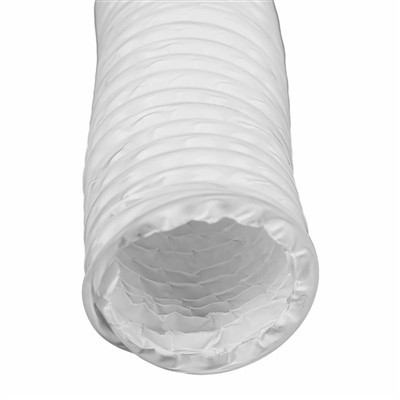
What about if you have a flexible PVC duct, not the rigid kind? A lot of people use flexible PVC for small spaces or crawl spaces. The cleaning process is almost the same, but be extra gentle with flexible ducts – they can get creased, which traps debris. Don’t use a stiff brush on flexible ducts, just the microfiber cloth and gentle vacuuming. And never pull or tug on flexible ducts while cleaning, that can damage the connections.
At the end of the day, cleaning your PVC air ducts is way simpler than cleaning other types, because the material is designed to resist gunk. The whole process takes 2-3 hours for an average home, you don’t need professional help, and if you do it right, you’ll have better air flow, lower energy bills, and fewer allergy symptoms. If you’re in the market for new PVC ducts or need any advice on maintaining the ones you have, we’re here to help. Whether you’re a homeowner in need of residential ducts or a contractor working on a small industrial project, our team can walk you through every step, from installation tips to long-term maintenance. Don’t hesitate to reach out to our sales team for more info and to discuss your specific project needs.
R6 R8 Insulated Air Duct References:
- American Society of Heating, Refrigerating and Air-Conditioning Engineers (ASHRAE). 2020. Ventilation for Acceptable Indoor Air Quality.
- PVC Pipe & Fittings Association. 2019. Care and Maintenance of PVC Duct Systems.
- Environmental Protection Agency (EPA). 2018. A Consumer’s Guide to Indoor Air Quality.
- National Air Duct Cleaners Association (NADCA). 2021. Best Practices for Duct Cleaning of Plastic Duct Materials.
Dongyang Hstube Co., Ltd.
As one of the leading PVC air duct manufacturers and suppliers in China, we warmly welcome you to wholesale cheap PVC air duct for sale here from our factory. If you have any enquiry about free sample, please feel free to email us. Quality products and reasonable price are available.
Address: NO.5 CHENGDONG ECOLOGICAL INDUSTRIAL ZONE, DONGYANG, ZHEJIANG, CHINA.
E-mail: sales@hstube.com
WebSite: https://www.ductword.com/
