If you’ve ever taken apart an old thermostat or flicked on a kitchen toaster, you’ve probably seen a bimetal strip in action—two different metals fused together that bend when heated, right? I’ve been selling bimetal strips and sheets for over a decade, and in recent years I’ve gotten so many questions from solar installers, renewable energy designers, and even DIY off-grid folks: “Can bimetal strips actually work in solar thermal systems?” Let me cut to the chase: yes, they absolutely can—if you use them right, and there are some game-changing use cases that don’t get talked about enough. Bimetal Strips & Sheets

First, let’s keep it simple for anyone who’s not an engineer. Solar thermal systems aren’t the same as solar panels (PV) that make electricity—these ones heat water or air for your home, pool, or commercial space, basically by catching sunlight to warm a working fluid (water, antifreeze, air) that moves through your panels. The biggest headaches with these systems are overheating when you’re not using the heat (like a sunny weekend when you’re away, or summer when you already have enough hot water) and inefficient or broken parts because the fluid gets too hot, or doesn’t get hot enough when you need it. That’s where bimetal strips come in, because their whole thing is responding to temperature fast.
I’ve had solar contractors email me saying they tried using regular mechanical thermostats or manual valves before, and they were garbage—slow to react, sticking if they got too gunked up with mineral buildup, or just plain unreliable in extreme heat. Bimetal strips? They move in milliseconds when the temp crosses their trigger point, no wiring needed, no fancy electronics to fry. For small-scale residential systems (like a pool solar setup or a home hot water system), they’re a no-brainer. Last year I sold a bunch of our standard flat bimetal sheets to a contractor in Arizona who was installing pool systems for new builds—he cut the strips to fit as automatic bypass valves on the flow lines. When the solar panels hit 140°F, the bimetal strip bent just enough to open the bypass, so the water didn’t keep recirculating and boiling in the panels. Before that, he’d get call after call from homeowners saying their pool lines were leaking because of pressure from overheated water. Now he hasn’t had a single callback on those bypass setups.
Wait, but hold on—this isn’t just for small residential stuff. I’ve also talked to a team doing commercial solar thermal for a local college’s dorm heating system. They used bimetal strips as part of their temperature-regulated air dampers on the solar collectors. The dorm uses way more hot water during the week than on weekends, so they needed a way to adjust airflow automatically without running power to every damper. The bimetal strips were calibrated to open wider when the collector was cool in the morning, so they pulled in more air to heat, and closed partially when it hit the 180°F sweet spot, so they didn’t waste energy overheating. The best part? No power needed, so they saved on electric bills for the damper controls, and the strips hold up way better than plastic dampers that warp in constant sunlight. That’s the thing I love about bimetal—they’re made of metal (usually steel and copper, or steel and brass, depending on the temp range) so they don’t degrade from UV light or extreme temps like plastic or regular rubber parts.
But let’s be real—this isn’t a one-size-fits-all solution, and I’ve seen guys mess it up by using the wrong type of bimetal strip for the job. Here’s what I tell every customer who asks, because I don’t want them wasting their money on something that won’t work. First, match the temperature range of the strip to the system’s actual operating temps. If you’re working with a pool system, your max temp is like 150°F, so a low-temp bimetal (triggering at 120°F) is perfect. If you’re doing a high-efficiency hot water system that hits 200°F, you need a medium to high-temp strip, not the cheap ones meant for toasters that will melt or bend the wrong way. Second, don’t use generic bimetal from a hardware store—those are made for tiny, low-load applications like thermostats. For solar thermal, you need thicker, more durable bimetal sheets (not thin strips) that can handle repeated bending, pressure from fluid lines, and years of outdoor exposure. That’s why our company makes custom-cut bimetal sheets calibrated specifically for HVAC and renewable energy use—we get the specs right so installers don’t have to guess.
Another big use case people sleep on: freeze protection for solar thermal systems in cold climates. If you live somewhere that drops below freezing in winter, your system has either drainback lines or antifreeze loops that need to activate when temps get too low. Bimetal strips work here too, as freeze sensors—when the panel’s temp drops to 32°F, the strip bends, triggering a valve to drain the fluid so it doesn’t freeze and crack the panels. I sold a bunch of our precision-calibrated bimetal strips to a contractor in Minnesota last winter, and he said they worked flawlessly through a polar vortex that hit -10°F. The old sensors they used before (electrical ones) had frozen and broken on a few houses, but these metal strips? No ice can stop them from bending when the temp drops.
Now, let’s talk about the caveats, because I don’t want to oversell this. Bimetal strips aren’t going to replace all electronics in large-scale industrial solar thermal systems—those use PLCs and digital controls for more precise, variable heating needs. But for small to medium residential and small commercial setups, they’re way more reliable, cheaper, and easier to maintain than electronic sensors or valves. Also, you have to calibrate them correctly—if a strip is calibrated to open at 140°F, it has to actually open at 140°F, not 130 or 150, otherwise you’ll get overheating or inefficient heating. That’s why custom calibration is key—off-the-shelf strips might be close, but they’re not exact, and when you’re dealing with a solar system, that small difference adds up to lost heat or damaged parts over time.
I’ve been in this game long enough to see trends come and go, and right now, a lot of renewable energy folks are coming back to simple, mechanical solutions instead of overcomplicated electronics that break. Bimetal strips are perfect for that—they’re low-cost, low-maintenance, and they don’t need any power source, which is a huge plus for off-grid solar thermal setups where running wire to every part of the system is a pain. Last year I worked with a guy building an off-grid tiny home, and he used a bimetal strip as an automatic switch for his solar hot water recirculation pump. When the water in the lines dropped below 100°F, the strip bent to turn the pump on, so he didn’t have to manually run it every time he wanted hot water, and it didn’t waste power running the pump when the water was already hot. That’s the kind of practical, no-fuss use that bimetal was made for, and it’s perfect for solar.
So if you’re a solar installer, a system designer, or even a DIYer looking for parts for a solar thermal setup, don’t sleep on bimetal strips and sheets. They solve some of the biggest pain points of these systems—overheating, inefficient flow, freeze damage—without the hassle of electronics. Just make sure you’re using the right type: matched to your temp range, durable enough for outdoor and repeated use, and calibrated exactly for your application.
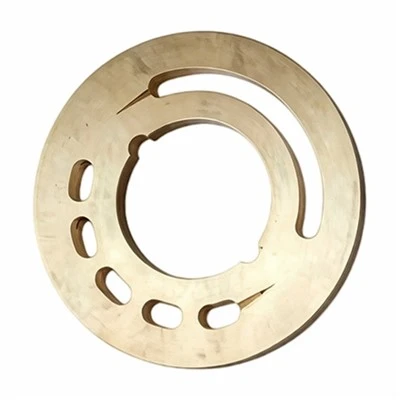
If you’re looking for bimetal strips or sheets for your next solar thermal project, hit us up to chat through your needs—we can help you pick the right material, thickness, and calibration, or even cut custom sizes to fit your specific setup. No hidden fees, no confusing jargon, just straight talk about parts that actually work for solar thermal systems.
Bimetal Strips & Sheets References:
- ASHRAE. (2021). HVAC Applications Handbook: Solar Heating and Cooling. American Society of Heating, Refrigerating and Air-Conditioning Engineers.
- Kreith, F., & Goswami, D. Y. (2007). Principles of Solar Engineering (2nd ed.). Taylor & Francis.
- Solar Energy Industries Association. (2022). Small-Scale Solar Thermal System Best Practices. SEIA Technical Report.
- Bimetal Thermostat Association. (2020). Mechanical Temperature Controls for Renewable Energy Applications. BTCA Technical Bulletin.
- Mann, M. D., et al. (2019). Mechanical Temperature-Regulating Valves for Residential Solar Thermal Systems. Journal of Solar Energy Engineering, Vol. 141, Issue 3.
Qingzhou Baiyun Anti-friction Products Co., Ltd.
With abundant experience, we are one of the most professional bimetal strips & sheets manufacturers and suppliers in China. Please rest assured to wholesale customized bimetal strips & sheets at competitive price from our factory. Welcome to contact us for quotation.
Address: Linglongshan North Road (south of the railway bridge), Economic Development Zone, Qingzhou City, Weifang City, Shandong Province
E-mail: byantifriction@gmail.com
WebSite: https://www.baiyunbimetal.com/
