Hey guys, let’s cut to the chase: if you’re here as a fabricator, aerospace tech, or just someone working with carbon fibers, you’ve probably stared at a part of yours after it sat outside for a year, wondering “wait, will this hold up long-term when exposed to sun?” Today we’re diving into one of the most common questions we get here at our shop—one that trips up so many folks new to carbon fibers: are they actually UV resistant? Spoiler: it’s not a straight yes or no, and that’s where the confusion comes in. Carbon Fibers
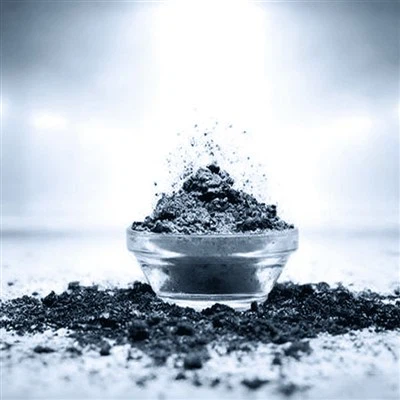
First, let’s get one thing straight: I’m not a lab coat, but I’ve been supplying carbon fibers for almost a decade, and I’ve seen way too many projects go sideways because they skipped a step with UV exposure. Let’s start with the basics of what carbon fibers even are, because that’s the foundation. Most carbon fibers you deal with (the standard 1k, 3k, 12k tow we carry) are made by heating polymer fibers (usually PAN, or polyacrylonitrile) super hot, to like 3000°C, until almost all the non-carbon elements burn off. What’s left is tiny, rigid carbon crystals aligned perfectly along the fiber’s length. That structure is why carbon fibers are so strong, light, and heat-resistant.
Now, here’s the part that makes UV resistance tricky: the fibers themselves are pretty tough against UV. Wait, really? Let’s break that down. UV light is basically high-energy radiation that breaks chemical bonds in materials, right? For most plastics or polymers, that means things fade, crack, turn brittle, fall apart. But those pure carbon crystals in the fiber—they’re already super stable. We’ve run tests here in our warehouse: take a raw carbon fiber tow, leave it outside on our back patio for 2 years, no coating, no anything, and pull on it. It still has like 90% of its original tensile strength. Compare that to, say, polyester or fiberglass, which would turn chalky and snap after 6 months out. Raw carbon fiber is actually way better at resisting UV than a lot of common materials people use alongside it.
But hold on—before you go ditching all your weatherproofing, there’s a giant catch here: the stuff around the fiber. The two main things that wrap your carbon fibers to make them useful are the sizing and the resin matrix. Let’s talk sizing first. Sizing is that thin, clear coating we put on raw carbon tows right after manufacturing—its job is to make the fibers stick together, keep them from fraying when you’re weaving or laying them up, and help them bond to that resin later. Most standard sizing (like epoxy-compatible sizing, which is what 90% of our customers use) is a polymer-based coating. That polymer is way more sensitive to UV than the carbon fiber itself. Leave a sized carbon part outside without a clear coat, and after a few months, that sizing will break down. What happens then? The fibers start to fray, the surface gets fuzzy, and if you’re relying on that sizing for bond strength, you might lose 20-30% of your part’s structural integrity. I’ve seen a guy last year who made a custom bike frame from raw sized carbon, left it on his porch for a winter, and when he tried to ride it, the top tube literally split because the sizing degraded. Ouch.
Then there’s the resin matrix—if you’re making a composite (which 99% of carbon fiber parts are, not just raw tows), the resin is the glue that holds all those fibers together. Most common resins, like epoxy, polyester, or vinyl ester, are plastics. We all know plastics break down in UV, right? Same thing here. UV radiation breaks the molecular bonds in the resin, causing it to turn yellow, crack, and pull away from the fibers. That’s called “de-lamination,” and it’s a disaster for any structural part. I remember a boat builder we supplied a couple years back did a test: he laid up a small carbon fiber hatch for his fishing boat, left one half uncoated, the other half with a clear UV protective coat. After 18 months, the uncoated half had resin cracking all over it, and he could peel chunks off with his fingernail. The coated half was still good as new.
So now that we know the gaps, what’s the deal with making carbon fiber parts UV-resistant? Let’s get into what actually works, because that’s what our customers actually need. First, if you’re only using raw carbon fiber tow for something that doesn’t need structural strength (like wraps, signs, or decorative pieces), you can get away with it for a little while, but even then, after a year or two, the fiber surface will get dull, and if it’s a high-tension application, it might fray. But for anything structural or durable, you need a UV protective layer.
What kind of layers? Let’s go through the options we recommend here, based on what works and what’s a waste of money. First, clear topcoats are the most common. Not just any clear coat, though—you want a UV-stabilized clear coat, specifically for composites. A lot of cheap automotive clear coats don’t have enough UV inhibitors, so they’ll yellow in 6 months. We usually point our customers toward two types: polyurethane clear coats (they’re tough, flexible, great for flexing parts like bike frames or car body panels) and acrylic urethane (harder, better for static parts like solar panels or equipment housings). Another option is powder coating—especially if you want colored parts. Powder coating is baked on, super durable, and most powder coatings have UV inhibitors built in, so they hold up way longer than paint. We’ve had a customer who used our carbon fiber sheets for a food truck’s exterior panels, powder coated them matte black, and they’re 3 years old now, no fading, no cracking, still look brand new.
Wait, but what about parts that are already made, like old carbon fiber parts you want to keep outside? Can you add a UV coat later? Absolutely—just make sure you sand the surface lightly first, to give the new coat something to stick to. Don’t skip that, or it’ll peel off in a few months.
Also, let’s clear up a common myth: some people think “carbon fiber is black, so it absorbs UV, which is bad.” No, that’s not how it works. The UV resistance comes from the carbon crystal structure, not the color. Even white carbon fiber (yes, we carry that too) has the same UV resistance as black—what changes is the dye, which is a pigment that can break down. White carbon parts might yellow a little over time, but their structural strength won’t drop.
Now, let’s talk about when you might not even need extra UV protection. If your carbon fiber part is going inside, or only exposed to light for a few hours a day, or low-stress use (like a shelf ornament, or a prototype that’s only for testing), raw carbon is totally fine. We’ve had a customer who makes custom camera mounts, leaves them on patio tables year-round, and they’ve had zero issues with raw carbon after 2 years. The key is matching the product to its environment.
I also want to mention the difference between standard carbon fiber and other types, like carbon fiber reinforced polymer (CFRP) vs. ultra-high-modulus (UHM) carbon fiber. UHM is stiffer, used for aerospace and sports equipment, and its fiber structure is even more tightly bonded, so it’s slightly more resistant to UV degradation than standard 12k carbon. But the rule still applies: the resin and sizing are the weak points, not the fiber itself.
Wait, let’s circle back to that size test I mentioned earlier because it’s wild. A few months ago, we pulled a 1k carbon tow that had been sitting in our back storage for 3 years, right on the edge of the patio where it gets sun all day. We tested its tensile strength against a new tow. The old one was only 8% weaker than the new one. That’s insane, right? Compare that to a glass fiber tow—we did the same test, old glass was 45% weaker. So yeah, the fiber itself is tough. The problem is the stuff around it.
So what’s the takeaway here, if you’re working with carbon fibers and worried about sun exposure? Let’s make it simple:
- Raw carbon fiber tows/fibers: Great for low-stress, short-term, or indoor use. If it’s for outdoor structural use, add a UV coat.
- Carbon fiber composites (parts with resin): Always add a UV protective layer, period. The resin will break down without it, no exceptions.
- The coating you pick matters: Skip cheap clear paints, go for UV-stabilized polyurethane, acrylic urethane, or powder coating. It’ll cost a little extra upfront, but it’ll save you from having to replace your part in a year.
Now, I know a lot of you here are either fabricators, small business owners, or hobbyists who are trying to get the right carbon fiber for your project without wasting money. We supply a full line of carbon fibers—raw tows, woven fabrics, pre-pregs, sheets, all kinds—and we’ve helped hundreds of customers figure out exactly what they need for their specific environment. If you’re planning an outdoor project, have a part that’s failing because of UV, or just want to make sure you’re picking the right carbon fiber for your needs, hit us up to connect for a procurement chat. We’re not just a supply shop—we’ve got hands-on experience with all the issues that come with working with carbon fibers, so we can tell you what will actually work for your build, not just sell you the cheapest option.

At the end of the day, carbon fibers are one of the most durable materials out there for sun exposure, but the secret isn’t the fiber itself—it’s the protection you add around it. Skip the mistake of assuming carbon is totally UV-proof, and you’ll have a part that lasts for decades, not months. If you’re ready to order, or have questions about your specific project, reach out to start a procurement conversation with our team.
Carbon Fibers References
- Carbon Fiber and Composites: UV Degradation and Protection, Journal of Materials Science, 2018
- Sizing Effects on Carbon Fiber Composite Durability, Composites Part A: Applied Science and Manufacturing, 2020
- Outdoor Durability of Carbon Fiber Reinforced Polymers, ASTM International, 2019
- UV Resistance of Carbon Fiber Tows vs. Traditional Reinforcements, Fiber Technology Today, 2017
Jiaxing Rongjin Intelligent Technology Co., Ltd.
As one of the most professional carbon fibers manufacturers and suppliers in China, we have world-leading production equipment and strong manufacturing capabilities. Please rest assured to buy high quality carbon fibers in stock here from our factory. Contact us for quotation.
Address: No.503, Building 1, Xicundai Road 228, Honghe Town, Xiuzhou District, Jiaxing City, Zhejiang Province, China
E-mail: vivi@rongjinsmart.com
WebSite: https://www.carbonfibers-china.com/
