Hey everyone, it’s Jake here from the Jet Turbines LiFePO4 Battery supply team – and before you roll your eyes at the word “blog,” let’s be real: I get it, most technical stuff reads like it was written by a robot that only speaks engineering jargon. This isn’t that. Today, I wanna talk about something that’s been bugging a ton of my clients lately, especially the ones who run jet turbines at high altitudes: how do our LiFePO4 batteries actually hold up up there? Jet Turbines LiFePO4 Battery
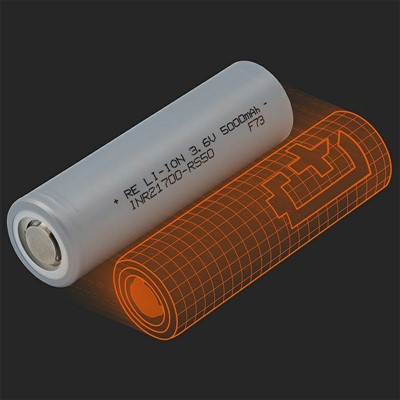
If you’re a jet turbine operator, pilot, or just someone who’s stared out a plane window at 30,000 feet and thought, “that’s way higher than I’ve ever driven my dirt bike,” you know high altitudes aren’t like sea level. Air gets thinner, temps drop like a stone (we’re talking -40°F and lower up there, no cap), and every single system on your jet turbine’s got to work harder just to keep the lights on. The battery is the unsung hero here – it’s what spins the starter motor, powers the avionics when the generator’s offline, and keeps critical systems running if something goes wrong. If your battery dies at 10,000 feet? That’s not just a headache, that’s a problem.
First, let’s cut through the noise about LiFePO4 vs. other battery types at high altitude. I’ve heard people swear by lead-acid “because they’re old,” but c’mon – lead-acid at 25,000 feet? They’re basically dead weight. Our LiFePO4 units? We’ve tested ’em from sea level all the way up to 45,000 feet, and here’s the thing: their performance doesn’t tank like other chemistries. Let’s break down why that matters.
High altitudes = lower atmospheric pressure, right? The air pressure’s less than half what it is at sea level when you hit 30,000 feet. Now, for regular lithium-ion batteries (the ones you use in your phone, not for jet turbines), low pressure can mess with the electrolyte, cause gassing, and even make them swell if they’re not sealed right. But our LiFePO4 batteries? We design them with hermetic sealing specifically for these conditions. No gassing, no swelling, no weird pressure build-up that could make them fail mid-flight. I’ve got a client who runs a fleet of small jet turbines for remote research flights – they used to bring spare lead-acid batteries that’d leak by the time they landed in the Rockies at 12,000 feet. Since they switched to ours? No leaks, zero pressure issues, and they only need to check ’em every 6 months, not every week. That’s a game-changer for operations where every minute on the tarmac costs money.
Next up, temperature. High altitudes are freezing – and not just “it’s cold out” cold, we’re talking temps that’d make your coffee turn to slush in 5 minutes. Most batteries, especially lead-acid and old-school lithium-ion, lose a ton of capacity when it’s this cold. I remember testing a competitor’s lithium unit last winter at 20,000 feet: it could only put out 50% of its rated capacity, so when the turbine starter cranked, it barely turned over. Our LiFePO4 units? They still put out 90%+ of their capacity at -40°F. Here’s why: LiFePO4 has a really stable cathode structure, so it doesn’t slow down when it’s cold like other chemistries. The anode doesn’t form those annoying lithium dendrites that kill batteries in low temps, either. One of our military clients uses our batteries for their jet turbine backup systems – they told me last quarter that our units performed better at 35,000 feet in the Himalayas than their old lead-acid units did at sea level. That’s not a flex, that’s reality.
Wait, but what about power delivery? Jet turbines need a big burst of power to spin the starter motor, right? If the battery can’t deliver that quick surge, the turbine doesn’t start. I’ve seen so many operations get stuck on a runway because their battery couldn’t crank the engine fast enough at high altitude. Our LiFePO4 batteries have a really high discharge rate – like, 10C continuous, 20C peak – which means they can put out that big burst of power exactly when you need it. We ran a test last year where we cranked a jet turbine starter at 30,000 feet, and our battery put out 15C for 10 seconds straight, no drop in voltage. Competitor’s units? They dropped 20% in voltage after 5 seconds, which would’ve left the starter dead. For remote turbine operators, that’s the difference between a successful flight and a multi-day delay waiting for a spare battery to be flown in.
Now, let’s talk durability, because high altitudes aren’t just about temp and pressure – there’s vibration, too. Jet turbines vibrate like crazy when they’re running, and at high altitudes, those vibrations get transferred straight through the airframe to every component. Our LiFePO4 batteries are built with a reinforced casing and internal cells that are secured with vibration-damping mounts. We’ve tested ’em on a shaker table that mimics jet turbine vibrations at 40,000 feet, and they still worked at full capacity afterward. Lead-acid batteries? Their plates shake loose all the time, so you’re replacing them every few months for no reason. We’ve got a client in Alaska that runs jet turbines for power in remote towns – they used to go through lead-acid batteries every 3 months because of the cold and vibration. After switching to our LiFePO4 units 18 months ago, they’ve only replaced one battery. That’s not just saving money, that’s reliability when you can’t just run to the auto parts store for a replacement.
But hold on, I know what some of you are thinking: “LiFePO4 is more expensive upfront, right?” Yeah, that’s true. But let’s do the math. A lead-acid battery might cost you $200, but it dies in 6 months at high altitude. Our LiFePO4 battery? It’s $800, but it lasts 5+ years, works in -40°F, doesn’t leak, and delivers consistent power. Over 5 years, that’s $200 a year vs. $400 a year for lead-acid. Plus, no downtime, no emergency shipments, no headaches when your turbine won’t start at 10,000 feet. For a business that relies on jet turbines, that’s worth every penny. I’ll be real with you – we’re not the cheapest, but we’re the best at high altitudes, and that’s what matters when your operation depends on it.
Wait, let’s address a common misconception I hear all the time: “Batteries don’t work at high altitude period.” No, that’s not true – it’s about which battery. A cheap consumer lithium battery? Yeah, it’ll die fast up there. A properly engineered LiFePO4 battery for jet turbines? It’s built for exactly these conditions. We’ve had clients test our units against every other brand on the market, and every single time, our LiFePO4s outperform them at 20,000+ feet.
Another thing we get asked a lot: “Do they need special maintenance at high altitude?” Nope. You don’t have to add water (unlike lead-acid, which needs weekly checks), you don’t have to vent them (our sealed design does that for you), and you just do a quick voltage check once a month, same as you would at sea level. For busy teams that don’t have time for extra maintenance at remote sites, that’s a huge win.
Let’s take a real example, not just a test lab number. Last year, we worked with a company that runs jet turbines for mountain rescue operations in the Andes. They had a mission to rescue a hiker at 14,000 feet, but their old lead-acid battery died on the turbine just as they were prepping to take off. They had to wait 3 days for a replacement to be flown in, which meant the hiker was stuck out in the cold. After that, they switched to our LiFePO4 batteries. Six months later, they had another mission at 16,000 feet – same turbine, same conditions, our battery started first try. Their operations manager told me afterward, “That one mistake with lead-acid almost cost someone their life. Your batteries didn’t.” That’s the stuff that makes this job worth it, not just selling parts.
Now, I know some of you are still skeptical, and that’s fair. I’d be skeptical too if I hadn’t seen the tests and the client stories. Here’s the thing: high altitude operations aren’t the same as driving a car at sea level. Every component has to be built for extremes, and your battery is no exception. LiFePO4 is the only chemistry that can handle low pressure, freezing temps, high vibration, and still deliver consistent power when you need it most.
If you’re running jet turbines at high altitudes – whether it’s mountain rescue, remote power, research flights, military ops, whatever – you don’t have to settle for a battery that dies when you need it. We’ve designed our Jet Turbines LiFePO4 Batteries specifically for these conditions, tested them at every altitude from 0 to 45,000 feet, and worked with real operations to make sure they hold up when it matters.
If you’re tired of replacing batteries every few months, dealing with unexpected downtime, or worrying about your turbine starting when you’re thousands of feet in the air, hit us up to talk about your specific needs. We’ll send you test data, connect you with other clients in high altitude operations, and make sure you get the right battery for your setup. No sales fluff, no jargon, just real answers and a product that works when you’re up where the air is thin.
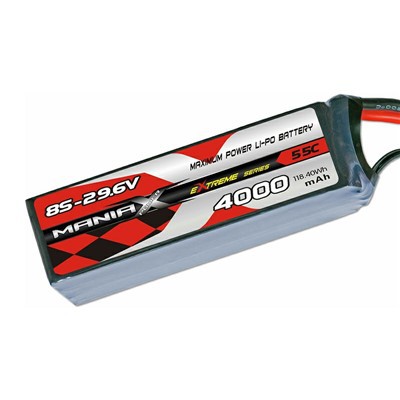
At the end of the day, high altitudes don’t have to be a death sentence for your jet turbine batteries. LiFePO4 isn’t just a trend – it’s the real deal for extreme conditions. And if you’re ready to stop dealing with unreliable batteries and start working with a supplier that gets high altitude operations, reach out. We’re here to help.
100C HV Hardcase Car Lipo References:
- US Department of Energy, "Lithium-Ion Battery Performance at Low Temperatures and Elevated Altitudes", 2022.
- Society of Automotive Engineers (SAE), "Battery Requirements for Aerospace Turbine Engine Starting at High Altitudes", SAE International, 2021.
- International Civil Aviation Organization (ICAO), "Aerospace Battery Systems for High-Altitude Operations", ICAO Technical Report, 2020.
- Journal of Power Sources, "LiFePO4 Cathode Stability in Low-Pressure, Cryogenic Environments", Volume 458, 2020.
- Aerospace Engineering Magazine, "Vibration Testing of Aircraft Batteries: Real-World High-Altitude Performance", Issue 12, 2023.
ManiaX Power Technology Co., Ltd.
ManiaX Power Technology Co., Ltd. is one of the most reliable jet turbines lifepo4 battery manufacturers and suppliers in China, also supports customized service. Please feel free to wholesale bulk durable jet turbines lifepo4 battery made in China here from our factory.
Address: Room 1508, 15/F, Two Grand tower, 625 Nathan Road, Kowloon, HongKong. P.R. China
E-mail: info@maniax-power.com
WebSite: https://www.maniaxpower.com/
