If you’ve ever walked through a food processing plant, you might’ve noticed how everything there’s built around one core rule: no shortcuts when it comes to safety and hygiene. From the piping that moves milk from pasteurization to packaging, to the small bits of hardware that keep that piping tight, every part has to pull its weight—especially when it comes to tube connectors. As a guy who’s been in the tube connector supply game for over a decade, I get it: food plant managers often hit me up with the same question: “Can your connectors actually handle what we do here, without contaminating my product or falling apart mid-batch?” Let’s break this down like we’re grabbing coffee and hashing it out, no fancy jargon. Tube Connector
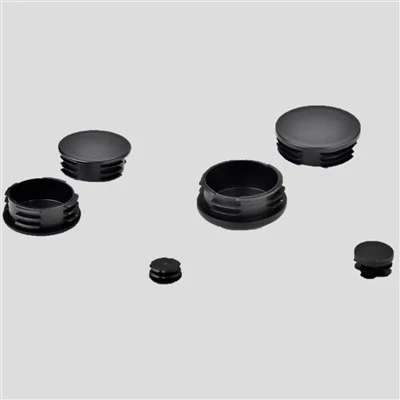
First off, let’s clear the biggest myth: not all tube connectors are made equal. Your average industrial connector for, say, a construction site or a chemical plant? That stuff’s built for durability, not for being wiped down every hour or resisting the weirdly specific acids in fruit juice or dairy. Food processing? It’s a whole different ballgame. The FDA (that’s the US Food and Drug Administration, for anyone not in the loop) sets strict rules here, and if your connector doesn’t check those boxes, it’s not just a bad part—it’s a liability.
Wait, let’s talk about that FDA angle real quick, because this isn’t just my opinion. The FDA’s Food and Drug Administration Food Equipment Safety Standards are the baseline for anything that touches food or beverage products. They require that all equipment parts—including tube connectors—can withstand repeated cleaning, don’t leach chemicals into the product, and can’t harbor bacteria. I’ve seen so many cheap connectors that skip this: they might be cheap, but the second you hose ’em down with a harsh sanitizer, the plating flaks off, or there’s a tiny crevice where mold grows. That’s a huge no-go for food plants, because even one tiny contamination can shut a whole line down, cost millions, and ruin your brand’s reputation.
Now, what makes a tube connector food-safe? Let’s get into the nitty-gritty that actually matters for us suppliers (and for you, the plant manager). First, material. Most food-grade connectors use 304 or 316 stainless steel. Yeah, I know, stainless steel’s not new, but not all stainless is the same. 316 is actually better for food processing, especially if you’re handling acidic stuff like tomato sauce or citrus juices—it’s more resistant to corrosion, so it won’t rust or leach metal into your product. Some people use plastic connectors too, but only if that plastic meets FDA standards (think polypropylene or PTFE) and it’s rated for high temps—because food plants do a lot of CIP, that’s Clean-in-Place cycles, where they blast lines with hot water and chemicals. If your plastic connector can’t handle 180-degree water, it’ll warp, leak, and mess up your entire batch.
Next, design. This is where a lot of cheap connectors cut corners. Food processing lines move a lot of product—sometimes at high pressure, sometimes with fine particles (like flour in baking, or ground meat in processing). If your connector has sharp edges, threads that stick out, or gaps where product can get trapped, that’s a breeding ground for bacteria. That’s called “dead leg” and it’s a major FDA red flag. Good food-grade connectors are designed to be “hygienic”: smooth internal surfaces, no protruding parts, and when you take ’em apart for cleaning, there’s nowhere for gunk to hide. I’ve had plant engineers tell me they’d rather pay a little more for a connector that’s easy to take apart and scrub than one that’s quick to install but takes 20 minutes to clean every time.
Then there’s validation. Wait, what’s that? It’s basically proving that your connector actually does what it’s supposed to do, in a real food plant setting. A lot of suppliers will say their connectors are food-safe, but only the good ones have third-party tests, or have been used in actual food processing lines without issues. For example, we had a customer a few years back who switched from a generic connector to our food-grade ones, and they told us their bacteria count in their juice line dropped by 85% after a month. That’s the kind of proof that matters—not just a label on a box.
Now, let’s talk about common use cases, because food processing isn’t one-size-fits-all. Milk processing? You need connectors that can handle pasteurization temps (up to 161°F for HTST, if you’re curious) and won’t hold onto milk solids, which can sour. Our 316 stainless steel sanitary clamp connectors are a staple for that—they seal tight, no leaks, and easy to take apart for daily cleaning. For beverage plants, like soda or craft breweries? You’re dealing with sugars, carbonation, and sanitizers like bleach or hydrogen peroxide. Plastic connectors that are FDA-rated work here, as long as they’re pressure-rated. We supply a lot of quick-disconnect plastic connectors for brewery lines, because they’re fast to switch out when a batch is done—no tools needed, and they don’t let air in, which would make beer go flat.
What about more heavy-duty stuff, like meat processing or pet food production? Those lines move dense, sometimes abrasive products. Connectors here need to be extra tough. Our 304 stainless steel threaded connectors (wait, but only with smooth thread ends, no sharp edges) work because they can handle the pressure of moving ground meat or dry pet food pellets, and they don’t scratch or wear down too fast. And don’t even get me started on allergen control—this is huge now. A lot of plants are dealing with cross-contamination between, say, peanut butter and gluten-free products. Our line of plug-and-play food-grade connectors lets you swap out lines quickly, without leaving residue from the previous product. That’s a game-changer for plants that need to switch between allergen-friendly and regular batches.
Wait, but let’s be real—there are risks if you use the wrong connector. I’ve heard horror stories: a small bakery had a batch of cookies recalled because a cheap plastic connector flaked into the dough. A juice plant shut down for three days because a non-hygienic connector had hidden mold that spread through their entire line. Those aren’t just minor hassles—those can put a small business out of operation. That’s why it’s not worth going cheap on tube connectors for food processing. The upfront cost might be a little higher, but the cost of a recall, shutdown, or contamination way outweighs that.
Now, what do we as suppliers do to make sure our connectors are up to snuff? Let’s walk through our process, so you know we’re not just blowing smoke. First, all our food-grade materials are sourced from certified mills—we have to have the paperwork proving that the stainless or plastic meets FDA standards. Then, every connector is machined with precision—no rough edges, no inconsistencies. We test each batch for pressure resistance, corrosion, and cleaning compatibility. We even offer custom designs for plants that have weird line setups—like a plant that needs a connector that fits a non-standard pipe size, or one that’s compatible with their specific CIP system.
We also work closely with plant maintenance and quality control teams. A lot of customers come to us and say, “We’ve always used X connector, but we keep having issues with leaks or contamination.” We’ll do a walkthrough of their line, look at how they clean their connectors, and suggest the right fit. For example, one craft coffee roaster was having issues with their bean hopper lines—their old connectors were trapping coffee dust, which would get moldy. We switched ’em to our smooth-bore sanitary connectors, and now they don’t have that mold issue anymore. They told us it saved them from having to replace their entire hopper system.
Wait, another thing: sanitation frequency. Food plants clean their lines all the time—sometimes daily, sometimes every shift. A good food-grade connector can handle that. We test our connectors with 1000+ CIP cycles, using the exact sanitizers plants use, and they still hold up. Cheap connectors? After 100 cycles, the plating is gone, and they’re corroded. That’s a huge difference.
But let’s not pretend it’s all perfect. There are some misconceptions out there about tube connectors in food processing. For example, some people think stainless steel is always food-safe, but no—if it’s not 304 or 316, it might not be. There are cheaper stainless steels that can leach nickel, which is a problem, especially for products that are acidic. Others think any connector that’s “sanitary” is good, but sanitary design means nothing if it’s not rated for your specific product. A connector that works for milk might not work for a highly acidic sauce, because the acid will corrode it.
Now, if you’re a food plant manager reading this, what should you look for when buying tube connectors? First, check for FDA (or in some cases, EU’s EFSA) certification—don’t just take a supplier’s word for it, ask to see the documentation. Second, match the material and design to your product and cleaning process. If you’re dealing with acidic stuff, go 316 stainless. If you need to switch lines fast, go quick-disconnect. Third, make sure the connector is easy to disassemble and clean—no hidden crevices. And fourth, work with a supplier that actually knows food processing, not just general industrial parts. We’re not just selling metal and plastic; we understand the unique challenges food plants face.
At the end of the day, tube connectors aren’t just tiny parts of a big line. They’re the link between a safe product and a contaminated one, between a smooth batch and a shutdown. Can they be used in food processing? Absolutely—but only if they’re made for that specific job, and you choose the right supplier. We’ve been supplying food plants with tube connectors for years, and we’ve helped dozens of them reduce contamination risks, cut maintenance time, and keep their lines running smoothly.

If you’re dealing with issues like leaky connectors, contamination scares, or just want to upgrade your line, reach out to us for a no-obligation chat. We’ll walk you through your options, answer any questions you have, and even help you test our connectors in your own line. Don’t cut corners on the small parts—they’re the ones that can make or break your food processing operation.
Plastic Adjustable Feet References
- U.S. Food and Drug Administration. (n.d.). Food Equipment Safety Standards.
- International Society of Automation. (2021). Hygienic Design Guidelines for Food and Beverage Processing Equipment.
- National Sanitation Foundation. (2020). Standard 2: Food Equipment Materials.
Bai Ye Industrial Co., Ltd.
With abundant experience, we are one of the most professional tube connector manufacturers and suppliers. We warmly welcome you to buy discount tube connector for sale here from our factory. All customized products are with high quality and low price. Contact us for quotation.
Address: No.178, Sec. 2, Zhangyuan Rd., Huatan Township, Changhua County 503, Taiwan (R.O.C.)
E-mail: judy@ku-ping.com.tw
WebSite: https://www.baiyemfg.com/
