How often should I replace the agricultural machinery parts?
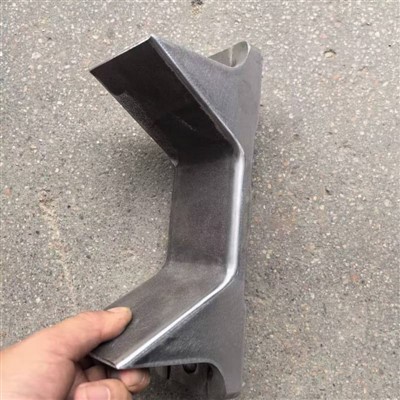
As a seasoned supplier of agricultural machinery parts, I’ve encountered numerous questions from farmers and agricultural businesses about the replacement frequency of their equipment components. This is a crucial topic, as improper replacement intervals can lead to decreased efficiency, increased downtime, and potentially higher overall costs. In this blog post, I’ll share insights based on years of experience in the industry to help you understand how often you should replace common agricultural machinery parts. Agricultural Machinery Parts
Factors Affecting Replacement Frequency
Before diving into specific parts, it’s important to understand the factors that influence how often replacement is necessary:
- Usage Intensity: The more frequently and intensively a machine is used, the faster its parts will wear out. For example, a large-scale commercial farm that runs its equipment for long hours every day will likely need to replace parts more often than a small family farm with limited usage.
- Operating Conditions: Harsh environments, such as dusty fields, high humidity, or extreme temperatures, can accelerate wear and corrosion of parts. Additionally, working on rough terrain or with abrasive materials can also take a toll on equipment.
- Maintenance Practices: Regular maintenance, including cleaning, lubrication, and inspection, can significantly extend the lifespan of agricultural machinery parts. Proper maintenance helps identify and address potential issues before they become major problems, reducing the need for premature replacement.
- Quality of Parts: The quality of the parts you use also plays a role in their durability. Higher-quality parts are often made from better materials and manufactured to more precise specifications, which can result in longer service life.
Common Agricultural Machinery Parts and Their Replacement Intervals
Now, let’s take a look at some of the most common agricultural machinery parts and how often they typically need to be replaced:
- Tires: Tires are one of the most visible and vulnerable parts of agricultural machinery. Depending on usage and terrain, tractor tires may need to be replaced every 1,500 to 3,000 hours of operation. Harvesting equipment, which often operates on rough ground, may require tire replacement more frequently, around every 1,000 to 2,000 hours. Regularly inspect tires for signs of wear, such as uneven tread depth or cracks, and check tire pressure to ensure proper inflation.
- Belts and Chains: Belts and chains are essential for transferring power in agricultural machinery. They are subject to constant tension and friction, which can cause them to stretch, wear, or break over time. As a general rule, conveyor belts should be replaced every 1,000 to 2,000 hours, while drive belts may need to be replaced every 1,500 to 3,000 hours. Chains typically have a longer lifespan but should still be inspected regularly for signs of wear and replaced every 3,000 to 5,000 hours.
- Filters: Filters, including air, oil, and fuel filters, play a critical role in protecting the engine and other components of agricultural machinery. Air filters should be replaced every 100 to 200 hours of operation, or more frequently in dusty conditions. Oil filters are usually changed every 200 to 400 hours, while fuel filters may need to be replaced every 300 to 600 hours. Regularly replacing filters helps ensure optimal engine performance and prevents damage from contaminants.
- Spark Plugs: Spark plugs are responsible for igniting the fuel-air mixture in the engine of gasoline-powered agricultural equipment. They typically need to be replaced every 100 to 200 hours of operation, depending on the type of engine and the quality of the spark plugs. Worn or fouled spark plugs can lead to poor engine performance, reduced fuel efficiency, and difficulty starting the equipment.
- Cutting Blades: Cutting blades on mowers, combines, and other harvesting equipment are subject to heavy wear and tear. The replacement interval for cutting blades depends on the type of crop being harvested, the field conditions, and the frequency of use. In general, cutting blades should be sharpened regularly and replaced every 50 to 100 hours of operation, or when they become too dull or damaged to perform effectively.
- Hydraulic Hoses: Hydraulic systems are used in many agricultural machines to power various functions, such as lifting, lowering, and steering. Hydraulic hoses are prone to damage from abrasion, high pressure, and exposure to the elements. They should be inspected regularly for signs of leaks, cracks, or bulges, and replaced every 2,000 to 3,000 hours of operation, or as recommended by the manufacturer.
- Batteries: Batteries are essential for starting and powering the electrical systems of agricultural machinery. The lifespan of a battery depends on several factors, including the type of battery, the frequency of use, and the charging habits. In general, lead-acid batteries used in tractors and other equipment should be replaced every 3 to 5 years, while lithium-ion batteries may have a longer lifespan of 5 to 10 years.
Importance of Regular Inspections
In addition to following the recommended replacement intervals, regular inspections are crucial for identifying potential issues with agricultural machinery parts before they cause major problems. Here are some tips for conducting effective inspections:
- Visual Inspections: Perform a visual inspection of all parts before and after each use. Look for signs of wear, damage, corrosion, or leaks. Check for loose bolts, nuts, and connections, and make sure all safety guards are in place.
- Functional Tests: Test the functionality of all components, including switches, controls, and hydraulic systems. Make sure everything is working properly and responds as expected.
- Maintenance Records: Keep detailed maintenance records for each piece of equipment, including the date of inspection, the parts that were checked, and any maintenance or replacement work that was performed. This will help you track the history of each machine and identify patterns of wear or failure.
By regularly inspecting your agricultural machinery and replacing parts as needed, you can minimize downtime, improve efficiency, and extend the lifespan of your equipment.
Conclusion
In conclusion, the replacement frequency of agricultural machinery parts depends on a variety of factors, including usage intensity, operating conditions, maintenance practices, and the quality of the parts. By understanding these factors and following the recommended replacement intervals, you can ensure that your equipment is operating at peak performance and minimize the risk of costly breakdowns.
As a trusted supplier of agricultural machinery parts, I’m here to help you make informed decisions about the maintenance and replacement of your equipment components. Whether you need tires, belts, filters, or any other parts, I have a wide range of high-quality products to meet your needs.
If you have any questions or need assistance with selecting the right parts for your equipment, please don’t hesitate to contact me. I’m always happy to share my expertise and help you find the best solutions for your agricultural business.
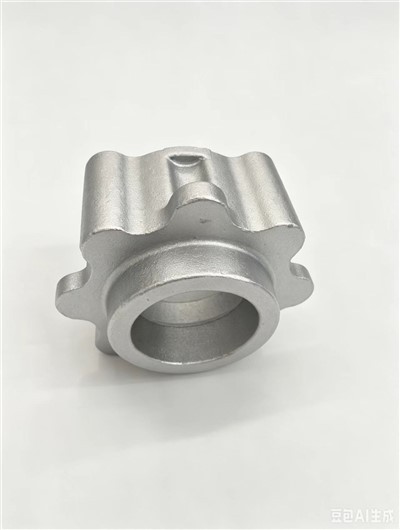
Bushing Let’s work together to keep your agricultural machinery running smoothly and efficiently!
References
- "Agricultural Machinery Maintenance and Repair Manual." Various editions from industry publishers.
- Manufacturer’s manuals for popular agricultural machinery brands.
- Industry research papers on the durability and performance of agricultural machinery parts.
Qingzhou Shengchen Machinery Technology Co., Ltd.
As one of the leading agricultural machinery parts manufacturers and suppliers in China, we warmly welcome you to buy discount agricultural machinery parts for sale here and get free sample from our factory. If you have any enquiry about customized service, please feel free to email us.
Address: Industrial Park, Mihe Town, Qingzhou City, Weifang, Shandong Province
E-mail: gjywb@qzsckj.cn
WebSite: https://www.sc-casting.com/
