Hey everyone, let’s cut to the chase – I’ve been selling fermentation compost equipment for over 8 years now, and I get asked one question way more than any other: “Do I need a pro to run these machines, or can my regular farm crew just figure it out?” Fermentation Compost Equipment

At first, I used to give the super vague “it depends” answer, but after troubleshooting everything from a small-scale urban compost spot that killed their batch to a big dairy farm that doubled their output after hiring a tech, I’ve got a way clearer take. Let’s break this down like we’re chatting over a coffee (no stuffy corporate jargon, promise) – and yeah, I’m the real guy who tears down and fixes these machines after hours, so this isn’t just sales fluff.
First, let’s get one thing straight: fermentation compost (also called thermophilic compost, if you wanna get sciencey) isn’t just piling dirt and letting it rot. The machine I sell – and most good fermentation compost equipment out there – is built to control the three non-negotiables for compost that actually works (no stinky, slimy, weed-seed-infested mush here): temperature, moisture, and oxygen levels. Mess even one of these up, and your batch’s gonna go south faster than a crop in a flood.
Now, can a regular crew get this right? Let’s start with the small-scale folks – say you’re a 10-acre vegetable farm, or a community garden with a 5-ton-per-week setup. If your crew is used to turning piles every few days, they might be able to get away with basic operation at first, but here’s the catch: most entry-level fermentation machines aren’t the “set it and forget it” contraption some sellers hype them to be. Wait a second – I’ve had a customer in Ohio who’s a part-time farmer, his brother runs their 4-man crew, and they picked up a basic rotary drum compost machine last year without any training. They thought “turning = oxygen” so they cranked the rotation speed to twice what the manual said on their first batch. Result? The straw and food waste got shredded so fine it compacted, no air flow, and they got that rotten egg stench that attracts flies for 2 weeks. They ended up losing $1,200 worth of material because it couldn’t even reach the 131°F minimum (that’s the temp that kills weed seeds and pathogens, fyi) so they had to haul it all away. They called me panicking, and when we hopped on a call, I realized they didn’t know how to read the machine’s built-in temp gauge properly – it had a red alert light that flashed when moisture was over 60%, which they thought was just a power glitch.
That’s not a machine flaw – that’s operation flaw. Here’s the thing: even entry-level fermentation compost equipment has tiny, non-negotiable checks you can’t skip. You can’t just dump in food waste, yard waste, and water and walk away. You need to test the C:N ratio (carbon to nitrogen balance – think browns vs greens) before loading. Too much nitrogen, and you get stench; too much carbon, and it takes 6 months longer to compost. Most regular crew folks don’t know what a C:N ratio is, let alone how to test it with a cheap $50 kit. I see this all the time – people buy the machine, skip the prep check, and blame the equipment when it underperforms.
Now, when do you 100% need a professional? Let’s talk mid to large-scale operations – like a 50-acre farm, a municipal compost site handling 50+ tons a week, or even a landscaping company turning yard waste into topsoil. These machines are bigger, they have automated systems (like sensors for moisture, oxygen, temperature, automated turning) and they run 12+ hour days, 5 days a week. Last year, a municipal site in Chicago reached out to me after their $200k fermentation compost machine (not one I sell, fwiw – I always be honest) broke down 3 times in 6 months. The crew was made up of city maintenance guys who were cross-trained, not compost or equipment specialists. When I went out to look, I found a faulty aeration pump that wasn’t being checked because the crew didn’t know it’s part of the daily pre-start check. Wait another minute – that pump wasn’t even loud; it was just running at 70% capacity, so the compost got too cool, and the machine’s overload safety tripped mid-batch. The whole site lost a whole batch of leaf and food waste because they couldn’t get the machine back up running in time. A professional operator would’ve caught that pump issue on a 10-minute morning check, fixed it in 20 minutes, and avoided $15k in lost material and disposal fees.
But here’s the part no one talks about – even if you have a pro, there’s still room for error if you don’t have basic training. I’ve had industrial customers hire experienced operators, but those operators were used to old-school static pile turning, not the precision of a fermentation compost machine. They kept cranking the moisture level up to 65% because that’s what they did for static piles, and it caused mold growth that contaminated their finished compost, so they couldn’t sell it to local landscapers. That’s why training isn’t just for the crew who presses buttons – it’s for every person that touches the machine, from the foreman to the guy who loads the material.
Now, let’s bust a common myth I hear all the time: “I can just hire a local repair guy if something breaks, so I don’t need a pro to run it.” Wait, hold up – repair guys are great for fixing things that break, but they don’t know your specific machine’s setup, and they won’t be there every day to catch small issues before they become big, expensive problems. Most fermentation compost equipment breakdowns aren’t sudden – they’re from tiny, ongoing mistakes: not lubricating the drum hinge, skipping a sensor calibration, not cleaning the inlet filter. A pro operator catches those before they shut the machine down. I had a customer in Texas a while back who skipped lubricating his machine’s mixer for 2 months – the metal on metal grinding wore a hole in the drum liner, costing him $8k to replace it. If he’d had a pro check it weekly, that would’ve cost $20 in lubricant and a 10-minute fix.
So what’s the real answer here? It’s not “yes” or “no” – it’s “it depends on your scale, your crew’s experience, and how much you wanna avoid losing time and money.” Wait, but as someone who’s in the equipment game, I’m not gonna tell a 2-person hobby farm they need a full-time professional operator – that’s absurd, that would cost them more than they make from compost sales. But I will tell them: don’t just unbox the machine and go. Take the 4-hour training I offer (we do on-site or Zoom, whatever works) – that’s $300, which is way cheaper than losing a whole batch like that Ohio farmer. For mid-scale farms with 5+ tons a week, a part-time trained operator (someone who knows compost basics and can run the machine’s daily checks) is worth every penny. For large-scale operations handling 50+ tons a week, a full-time certified operator is non-negotiable – the downtime from a bad run will cost you way more than the salary.
Wait, let’s circle back to the science for a sec, because that’s what sells itself. Fermentation compost works because thermophilic bacteria (the good guys) thrive in that specific temp range – 131°F to 170°F. If the machine isn’t maintained right, those bacteria die, and you get mesophilic bacteria which are slow, stinky, and don’t kill pathogens. A trained operator knows how to adjust aeration and moisture to keep that temp steady, even when the material you load changes (like if you get a load of extra wet food waste one day). An untrained crew will guess, and waste weeks trying to adjust, or just throw out the whole batch.
I’ve seen way too many people write off fermentation compost equipment as “too high maintenance” because they didn’t invest in the right operator or training. That’s not the machine’s fault – that’s operator error. A good machine can turn 5 tons of waste into finished compost in 3 weeks, instead of 3 months with static piles. But only if you run it right.
Now, let’s get real about what I offer, because this isn’t a sales pitch to pressure you – it’s the truth from someone who’s been in this for years. When you buy a fermentation compost machine from me, you don’t just get a hunk of metal. You get the training: on-site for large orders, Zoom for small ones, and I’m on call 24/7 if your crew has a question at 2 a.m. when the machine is running its overnight cycle. I also send a daily checklist for entry-level machines, so even if your crew is new, they don’t skip the temp check or moisture test. Last month, a customer in Minnesota texted me at 8 a.m. saying their temp gauge was reading low, and we walked through checking the aeration vent in 5 minutes, and it was fixed – no breakdown, no lost batch. That’s the kind of support you don’t get from random online sellers.
At the end of the day, compost is all about consistency. If you’re gonna invest in equipment that cuts your compost time in half and gives you a consistent, pathogen-free product that you can sell, then spending a little time (or money) on training or a trained operator is non-negotiable. You wouldn’t let a guy who’s never worked on a farm run your tractor, right? Same logic applies here.
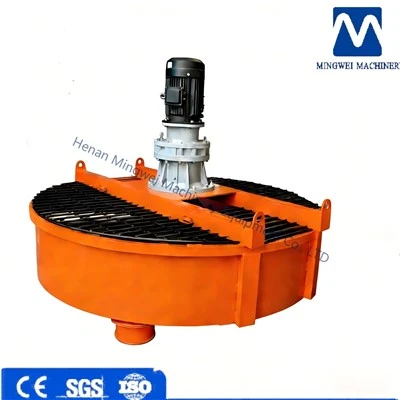
If you’re ready to talk about what size fermentation compost equipment fits your operation, or want to ask more about training options, hit me up. No pushy sales talk, just real answers. I’ve helped everyone from community gardens to regional compost companies, so I can point you in the right direction.
Fermentation Compost Equipment References
- "Composting Fundamentals: Thermophilic Temperature Requirements and Microbial Activity." US Composting Council, 2022.
- "Scale-Specific Operations for On-Farm Composting." National Sustainable Agriculture Coalition, 2023.
- "Preventative Maintenance for Industrial Compost Equipment." BioCycle Magazine, 2021.
Henan Mingwei Machinery Equipment Co., Ltd.
As one of the most experienced fermentation compost equipment manufacturers in China, we have world-leading production equipment and strong manufacturing capabilities. Please rest assured to buy durable fermentation compost equipment for sale here from our factory. For price consultation, contact us.
Address: No.461 Qudong Jinsui Avenue, Hongqi District, Xinxiang City, Henan Province, China
E-mail: info@hnmwm.com
WebSite: https://www.hnmwmequip.com/
