Hey there, let’s cut to the chase—rock wool insulation is fire-resistant, super durable, and way better than basic fiberglass for so many projects (ask any contractor, they’ll back me up). But here’s the thing: even the safest, highest-quality rock wool we supply can turn into a headache if you skip the right safety steps during installation. I’ve been in this game for 8 years now, dealing with tradespeople who skip gear and end up hating their day, so let’s talk real, no fluff precautions—stuff that actually works, not just OSHA jargon. Rock Wool Insulation
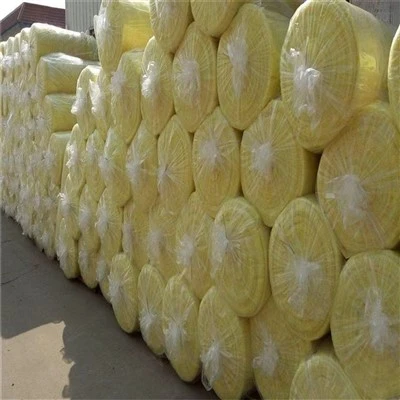
First off, let’s get one myth outta the way: rock wool isn’t “as safe as air” just because it’s mineral-based. The tiny fibers in it are not something you want breathing in or getting on your skin. I’ve seen a new apprentice skip gloves and walk around with a wooly arm rash for a week—total avoidable nonsense. Let’s start with the stuff you put on your body, because that’s non-negotiable. Hard-shell gloves, not those thin work gloves—fiberglass will poke through thin ones, and rock wool is stiffer, so those little shards will snag. Nitrile gloves work for a bit, but for full-day installs, go for cut-resistant gloves rated for heavy materials—your local hardware store will have ’em. Next, eye protection. Not the cheap plastic safety glasses that fog up if you sweat—get the wraparound, anti-fog ones. I don’t care if you’re just cutting a small piece over a bucket; fibers fly everywhere when you slice rock wool, and one in your eye is a trip to the urgent care you don’t need. And for the love of all that’s holy, a respirator. Not a dust mask from the dollar bin. N95s are fine for light cuts, but if you’re unrolling big batts or sawing through thick rock wool for ducts, go for a P100 respirator—those block 99.97% of particles, including the tiny respirable ones that get stuck in your lungs. I’ve had veteran contractors tell me they “never need a respirator” until they spent a week coughing up fibers—trust me, don’t be that guy. Also, long pants and a long-sleeve shirt, not shorts or a tank top. Rock wool fibers will stick to your arms and legs all day, and washing it off sucks. Wear tight cuffs too, so fibers don’t crawl up your sleeves—no one needs that.
Next up, the stuff around the worksite. This is where so many teams mess up—they think “it’s just insulation, no mess.” Newsflash: rock wool fibers get everywhere, and if they land on drywall, cabinets, or furniture, you’re spending hours vacuuming and wiping down. First, seal off the area. If it’s a residential job, close all doors leading to other rooms, hang plastic sheeting over doorways—duck tape the edges good, don’t just drape it. If you’re working in an attic or a wall cavity, cover any vents, AC returns, even light fixtures that you don’t want fiber in. Also, set up a “decontaminate station” near the worksite—like a trash can with a wet rag, a bin for used gloves, and a big plastic sheet to dump scrap pieces on. No leaving loose batts lying around where people (or pets, if it’s a home) can bump ’em and spread fibers. And don’t forget about the air—use box fans with hepa filters if you can, or at least point a regular fan out a window so fibers don’t circulate through the whole house. I once worked a job where a team didn’t seal the AC return, and the whole house had a rock wool dust haze for 3 days—customer was not happy, and we ended up doing extra cleanup for free. Not worth it.
Now, the actual installation steps that keep you safe, not just on the job site. Let’s talk about cutting rock wool. A lot of people use a regular utility knife, but that’s messy and makes tons of flying fibers. Use a serrated knife—like a bread knife but sharper, or a purpose-made rock wool cutting knife—those work way better, make cleaner cuts, and less fiber is tossed into the air. If you have to cut thick rock wool (like the 6-inch stuff for exterior walls), use a handsaw with coarse teeth, not a metal saw. And whatever you do, don’t use a power saw unless you absolutely have to—circular saws and angle grinders kick up way too many fibers, even if you have a mask on. If you must use power tools, rig up a vacuum attachment so it’s sucking up fibers as you cut—yes, it’s a hassle, but it’s way safer. Also, when handling batts, don’t yank them apart roughly—slowly unroll them, and if you have to split a batt, do it over a trash bin so any loose fibers go in there, not on the floor. Oh, and don’t step on rock wool batts—they’re flimsy, you’ll puncture them, and send fibers everywhere. If you’re working in an attic, use plywood boards to walk on, that way you don’t damage the insulation or mess up the fibers.
Wait, let’s not forget about when the job’s done. A lot of people pack up their gear and bounce, but that’s when the leftover fibers cause problems. First, vacuum the entire worksite with a HEPA vacuum—regular vacuums blow fibers out, so that’s useless. Pay attention to the corners, under studs, around electrical boxes—those are the spots where fibers hide. Then, take all the scrap pieces, old plastic sheeting, used gloves, and anything else with fiber on it, and seal it in a heavy-duty plastic trash bag, double-bagged just in case. Don’t leave it out for the regular trash pickup—ask your local waste management about construction and insulation waste, they have specific rules, but double-bagging is a safe bet. Also, when you take off your gear, do it right outside the worksite, not inside your truck or the customer’s house. Take off your gloves, shake them off over the trash, then your shirt, then your pants, and wipe down your skin with a damp rag before you get in your truck. I know a guy who got rock wool fibers in his truck seats, and every time he drove, fibers blew around and got on his clothes—total nightmare, he still finds them months later.
And let’s be real, we can’t skip the OSHA stuff, but let’s make it simple, not scary. OSHA says that respirable mineral wool fibers are a “potential occupational carcinogen” in high concentrations, but that’s only if you’re not using the right gear. So training is important too—if you’re a new contractor, take a 1-hour course on working with mineral insulation, it’s free online, and it covers all the basics. Also, know your limits—if you’re working with super thick rock wool or in a tight, enclosed space (like a crawl space), don’t try to power through alone. Have a buddy there, not just to help lift heavy batts, but to keep an eye on you—if you’re coughing a lot or your eyes are irritated, it’s time to take a break, step outside, wash up, and come back when you feel better.
Wait, a quick note about our rock wool specifically—we test every batch to make sure the fiber size is as safe as possible, but that doesn’t mean you can skip precautions. We always include a safety sheet with every shipment, and our sales reps will walk you through the gear you need if you’re new to using our product. We’re not just here to sell you insulation—we’re here to make sure you go home safe every day, same as you.
Now, if you’re a homeowner doing a DIY job (which I don’t recommend, but I get it, some people like to tackle projects), take extra care. Don’t do this alone, make sure you have proper gear, and don’t cut corners. Rock wool is great for DIY attic insulation, but the safety stuff is non-negotiable—even if you’re not getting paid, a trip to the doctor for a lung infection is not worth it.
At the end of the day, safety isn’t a hassle—it’s just part of doing the job right. Skipping gloves, skipping a respirator, skipping sealing the worksite might save you 10 minutes now, but it’ll cause you days of headaches, rashes, coughs, and angry customers later. That’s a trade no one wants to make.
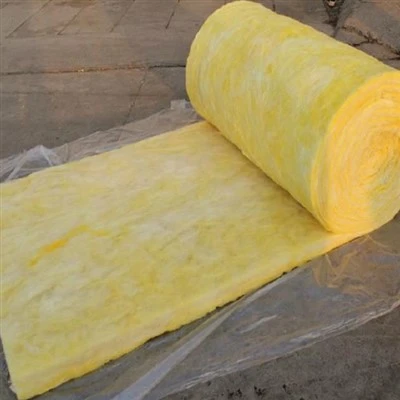
If you’re a contractor or a project manager needing reliable rock wool insulation, or just have questions about the right safety gear for your next job, hit us up. We can send you safety guidelines tailored to our product, answer any questions, and help you get the right amount of insulation to keep your project on track and everyone on it safe.
Fire Rated Duct Wrap References:
- Occupational Safety and Health Administration (OSHA). Mineral Wool Fibers: Safety and Health Guidelines. U.S. Department of Labor, 2023.
- Rock Wool Institute. Installation Best Practices for Commercial and Residential Insulation. RWI, 2022.
- National Insulation Association. Safe Handling and Installation of Mineral Fiber Insulation. NIA, 2021.
Langfang Yafeng Energy-Saving Technology Co., Ltd.
As one of the most professional rock wool insulation manufacturers and suppliers in China, we’re featured by quality products and good price. Please rest assured to buy bulk premium rock wool insulation for sale here from our factory. Welcome to view our website for more information.
Address: Langfang Xinyafeng, Liugezhuang Town, Dacheng County, Langfang City, Hebei Province
E-mail: yafengbaowen@gmail.com
WebSite: https://www.xyfinsulation.com/
