When I was first approached by a local packaging brand looking for colored CPP (cast polypropylene) film a few years back, the very first question they asked—beyond color options—was “What thickness do I need?” At the time, I had the basics down, but over the years, working directly with brand owners, flexible packaging converters, and even small retail product teams, I’ve learned that thickness isn’t a one-size-fits-all answer. As a colored CPP film supplier, I’ve seen too many teams either overspend on unnecessary thickness for a lightweight snack bag or end up with a flimsy film that tears too easily on a premium personal care product. That’s why today, I want to break down exactly what thicknesses are available for colored CPP film, how they’re chosen, and what you need to know before placing an order. Colored CPP Film
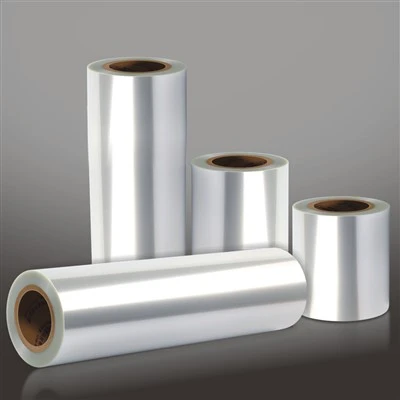
First, let’s start with the foundation: colored CPP film is made by melting polypropylene resin and casting it into a thin, flat sheet through a die, then cooling and stretching it to add strength. Adding color—whether it’s a solid brand hue, a matte finish, or even a subtle tint—happens during this process, when pigment is mixed into the resin before extrusion. Thickness is measured in microns (one micron equals one-thousandth of a millimeter) or sometimes in gauge, but for our industry, microns are the standard unit for precision. That’s important because a 10-micron difference can make a huge impact on performance, cost, and suitability for your end use.
When it comes to available thickness ranges, there are four core categories we produce at our facility, and each serves a specific purpose. Let’s walk through them, starting with the thinnest and moving up. The first range is ultra-thin colored CPP film, between 12 and 25 microns. This is the lightest option we offer, and it’s designed for applications where weight and cost are top priorities. Think single-use snack pouches, liner materials for cereal boxes, or even simple bread wrappers. Because it’s so thin, it’s flexible and conforms easily to irregular shapes, which makes it ideal for products that need to be sealed quickly on high-speed packaging lines. But here’s the catch with ultra-thin film: it has limited puncture resistance and barrier properties. If you’re packaging a product with sharp edges, like dried nuts or hard candy, a 15-micron film might puncture during transport, leading to spoilage or product loss. That’s why we usually recommend this range only for non-rigid, low-risk products. Another thing to note about ultra-thin colored CPP: the pigment distribution is slightly less uniform than in thicker films, simply because there’s less material to work with. We work with clients here to adjust pigment loads to maintain color vibrancy without making the film too brittle, which is a small adjustment but makes a big difference in how the final product looks.
Next, the mid-thickness range: 28 to 50 microns. This is the most versatile and popular thickness range for colored CPP film, in my experience. It strikes a balance between flexibility, durability, and cost, which works for a huge number of applications. For example, flexible pet food pouches, retail bags for clothing or small hardware items, and even promotional packaging for cosmetics—you’ll see mid-thickness colored CPP everywhere. What’s great about this range is that it has better puncture resistance than ultra-thin film, but it’s still flexible enough to run on standard packaging lines without adjustments. It also has improved barrier properties, especially if we add a coat of sealant or anti-static additive (which we can do alongside color mixing). A lot of first-time clients come to us worried that colored film will be less clear or less strong than clear CPP, but in this mid-range, that’s rarely the case. We mix pigments in during extrusion, so the color is evenly distributed throughout the film, not just on the surface, which means it won’t scratch or rub off, and the thickness is consistent enough to maintain structural integrity. I remember a small craft beer brand that came to us a couple of years ago, needing colored CPP for their 12oz can holders. They initially considered a thicker film to stand out, but once we showed them that 35-micron colored CPP was durable enough to withstand the stacking and shipping of can carriers, they saved 20% on their material costs without sacrificing quality. That’s the sweet spot of mid-thickness film.
Then there’s the heavy-duty range, between 55 and 100 microns. This is for applications that need maximum strength and durability, even if that means a little extra weight. Think of industrial packaging, like bulk fertilizer or chemical liners, heavy-duty shopping bags, or packaging for large, bulky products like furniture parts. This thickness isn’t just thicker—it’s more rigid, has excellent tear resistance, and can handle rough handling during transportation and storage. The colored CPP here is often used when the color serves a functional purpose, too: for example, bright red or orange to signal hazard, or dark green for a product that needs protection from light (which is a big plus for light-sensitive items like fertilizers). At our facility, we test every heavy-duty colored CPP film for tear strength and puncture resistance before it leaves, because we know that a tear in a heavy-duty liner can lead to massive product loss. We also adjust the formulation here to ensure the color doesn’t fade over time, since heavy-duty packaging is often stored outdoors for long periods. I worked with a landscaping supply company last year that needed 80-micron colored CPP for bulk mulch bags. They’d been using a thinner film that would tear during rain or when customers were pulling mulch out, and they were losing almost 5% of their inventory to waste. Switching to the heavy-duty range fixed that, and even though the material cost was higher, they saved money on returns and waste, making it a smart long-term investment.
Finally, we also offer specialty thick colored CPP, over 100 microns, for very specific applications. This is less common, but we work with clients like medical device manufacturers that need thick, colored film for sterile barriers, or architectural firms using colored CPP for window displays or signage. It’s more rigid, has excellent light blockage, and can be die-cut or formed into shapes with sharp edges, which makes it perfect for those uses. The key here is that specialty thick film is custom-made, so we work closely with each client to adjust color, resin type, and thickness to meet their exact needs.
Now, you might be wondering: how do you choose the right thickness for your project? It’s not just about what’s available—it’s about balancing four factors: application requirements, packaging line capabilities, product protection needs, and budget. Let’s break that down. First, think about your product: is it fragile, sharp, or light-sensitive? If you’re packaging loose bolts, a thinner film might puncture, so you’ll need to move into the mid or heavy-duty range. If you’re packing a soft cookie that doesn’t need extra protection, ultra-thin might work. Second, check your packaging line: some high-speed lines can’t handle films thicker than a certain microns, because they require more tension to run smoothly. A good tip here is to share your line’s specs with us when you inquire, so we can recommend a thickness that works for your equipment without causing downtime. Third, consider your product’s shelf life: if your packaging needs to keep air or moisture out, a thicker film will have better barrier properties than a thinner one. And finally, budget: thicker film is more expensive, but it often reduces long-term costs from product waste or returns, so it’s worth weighing upfront cost against hidden expenses.
I should also mention that as a colored CPP film supplier, we offer custom color matching alongside our standard thicknesses. A lot of clients come to us with a sample of their brand’s color, whether it’s a Pantone code, a fabric swatch, or an existing packaging piece, and we can match it in any of the thickness ranges we offer. That’s a big part of what makes colored CPP different from other films—your brand color isn’t an afterthought, it’s integrated into the material, so it doesn’t fade, scratch, or peel off.
I’ve seen a lot of new suppliers or even in-house teams assume that all colored CPP is the same, regardless of thickness, but that’s simply not true. Thickness dictates performance, and getting it wrong can cost you time, money, and even customer trust. Last year, a small confectioner reached out to us after they had issues with their previous colored CPP film: the 15-micron film they were using was tearing during packaging, leading to 10% of their candy bars being damaged before they hit shelves. Switching to 32-micron colored CPP fixed that, and it only cost them a little more per unit, but the reduction in waste made it well worth it.
At the end of the day, the right thickness for colored CPP film depends on your unique needs, and that’s why we don’t just push a one-size-fits-all option. We work with every client to walk through their project, answer questions about thickness, color, and performance, and make a recommendation that balances quality and cost.
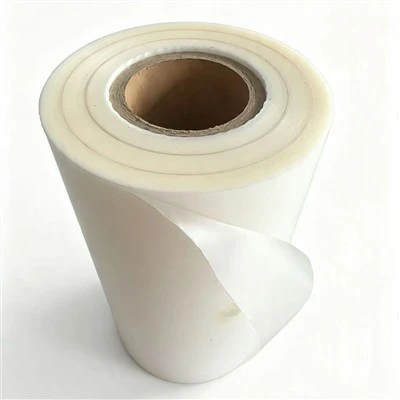
If you’re ready to move forward, let’s start a conversation. I can walk you through our available thicknesses, share sample rolls, and help you find the perfect fit for your packaging needs. Whether you’re launching a new product, upgrading your current packaging, or just looking for a more reliable colored CPP supplier, I’m here to help.
Colored CPP Film References:
- Flexible Packaging Association. (2022). Cast Polypropylene Film: Properties and Applications.
- European Packaging Federation. (2021). Thickness Specifications for Colored Flexible Packaging Films.
- Journal of Flexible Packaging and Processing. (2023). Performance Metrics for Thin vs. Heavy-Duty CPP Films.
- International Organization for Standardization. (2020). Standard Test Methods for Film Thickness and Puncture Resistance.
Qingzhou Huiyuan Packaging Materials Co., Ltd.
As one of the most professional colored cpp film suppliers in China since 1997, we’re featured by quality products and good service. Please feel free to buy cheap colored cpp film made in China here from our factory. For price consultation, contact us.
Address: Naoshan Industrial Park, Shaozhuang Town, Qingzhou City, Weifang, Shandong Province, China.
E-mail: 15864598133@163.com
WebSite: https://www.huiyuanfilms.com/
