Hey there, if you’re running a pyrolysis plant or just getting into the swing of turning waste tires, plastic, or biomass into useful fuel and materials, you’ve probably run into one big question: what do you do with all that leftover pyrolysis char? I get it—when you’re setting up or scaling a plant, it’s easy to fixate on the high-value stuff like pyrolysis oil and syngas, but char’s the solid byproduct no one talks about. As a pyrolysis plant supplier, I’ve had dozens of clients come to me stressed about where to dump their char, or worse, they’re throwing it away for cheap and leaving money on the table. Today, I’m breaking down real, actionable ways to dispose of (and even profit from) that char, no stuffy jargon, just what works for actual plant owners. Pyrolysis Plant

First, let’s cut to the chase: what is pyrolysis char, anyway? For anyone new, it’s the black, carbon-rich solid left over after you heat organic waste (tires, plastic, wood, agricultural waste) in an oxygen-free chamber. It’s not just “trash”—it’s got 70-90% carbon content, depending on your feedstock and pyrolysis temps. A lot of folks think it’s only good for landfill, but that’s a waste of both resources and money, especially with landfill costs going up everywhere.
Let’s start with the most common, low-effort method, but wait—don’t sleep on it. Landfill disposal. Yeah, it’s not the sexiest option, but if you’re in a rural area with cheap tipping fees, it can work for small-scale plants or when you have a small excess of char. But here’s the catch: not all char is equal. If your feedstock was plastic, char might have trace additives that you need to check are compliant with local landfill rules. If it’s tire char, it can leach zinc and other heavy metals if you just dump it anywhere—so make sure you’re not skipping the compliance checks. That said, for small operators who only have 1-2 tons of char a week, this is an easy stopgap. But if you’re running a mid to large plant (10+ tons daily), landfill’s gonna eat into your profits fast. I’ve seen clients spend $50-$80 per ton just to dump char in some areas—add that up, and that’s $26k a year for a 10-ton daily plant. That’s cash you could be using for upgrades, right?
Next up, the big money maker for a lot of our clients: sell it as a raw material for other industries. This is where char actually becomes an asset, not a waste. Let’s break down the top uses here. First, activated carbon production. Wait, yeah—you can turn your pyrolysis char into activated carbon, which is used in water filters, air purification, even food processing. How? You just activate it with steam or chemicals, and boom—you’ve got a high-value product that can sell for $100-$300 per ton, way more than the $50-$80 you’d pay to landfill it. A lot of our clients have set up small activation lines right next to their pyrolysis plants, or even sell the raw char to activated carbon manufacturers who come pick it up for $30-$60 per ton. That’s turning a cost into revenue. Another industrial use: steel and iron production. Steel mills use carbon-rich materials as a reductant in their furnaces. Tire char, specifically, works great here because it’s high carbon and has low ash. I know a plant owner in Ohio who sells all his tire char to local steel mills for $45 per ton—last year, that extra revenue paid for a whole new loader for his plant. Agricultural use is another huge one. Biochar, which is basically just pyrolysis char made from biomass, is a game-changer for farms and soil health. It improves water retention, adds nutrients, and sequesters carbon. Farmers will pay $20-$50 per ton for biomass char, and some even come to your plant to haul it themselves. If you’re working with agricultural waste (corn stalks, rice hulls), this is a no-brainer. Even plastic char can work for some soil blends, as long as you confirm it’s low in harmful additives.
Then there’s on-site reuse in your own pyrolysis process. Wait, can you do that? Yep! A lot of plant owners burn a portion of their char to heat their pyrolysis reactors. That cuts down on the fuel you need to buy for the plant, which is a huge cost saver. For example, if your plant runs on syngas or fuel oil, using char as a supplemental fuel can reduce your fuel costs by 15-25%, according to the data I’ve seen from our clients. We even design our pyrolysis plants with small char incineration chambers built right in, so you don’t have to handle extra steps. The trick here is to only use clean char for on-site reuse—if your char has a lot of ash or additives, burning it might release fumes that mess with your reactor or air quality, so test a small batch first.
Wait, let’s talk about some lesser-known, but growing, options too. Carbon sequestration credits. More and more companies are paying to offset their carbon emissions, and biochar (from biomass char) is one of the most reliable ways to do that. Because char stays intact in soil for hundreds of years, it doesn’t release carbon back into the atmosphere, unlike when you burn waste directly. A lot of our clients have partnered with carbon credit brokers to sell credits for their char, adding an extra $10-$20 per ton on top of whatever they get for selling the char itself. Then there’s construction materials. Char can be mixed into concrete, asphalt, or even bricks to improve their strength and reduce their carbon footprint. I’ve seen startup construction companies using tire char in asphalt mixes, and they’re willing to pay around $35 per ton for it. It’s still a pretty new market, but it’s growing fast as companies look for more sustainable building materials.
Now, let’s get real—no method is perfect. Each has its pros and cons, and it depends on what kind of feedstock you’re using, your plant size, local regulations, and what makes sense for your bottom line. Let’s run through a quick example to make this concrete. Say you run a 5-ton per day tire pyrolysis plant. Your char output is roughly 1 ton per day, so 365 tons a year. If you landfill it, that’s $50 per ton x 365 = $18,250 a year. If you sell it to steel mills for $45 per ton, that’s $16,425 a year, wait— that’s still less than landfill? Wait no, wait a second— a lot of steel mills will actually pick it up for free, because they need the char, and you save the $18k in landfill. Oh, right! That’s a big point I almost missed. A lot of industrial buyers will come haul char for free, because it’s cheaper for them to pick it up than to process raw materials. That changes the math entirely. Or if you turn it into activated carbon, you could make $150 per ton, that’s $54,750 a year. That’s way better.
But there are pitfalls to avoid, too. First, don’t skip testing your char. A lot of local governments and buyers will test for heavy metals (like lead, zinc, cadmium) in char, especially if you’re using it for agriculture or construction. If your char is off-spec, it can’t be sold, and you might face fines if you dump it incorrectly. Second, don’t ignore regulations around waste disposal and byproduct sales. Some areas have specific rules about selling industrial byproducts, so make sure you’re in compliance before you start selling char. Third, don’t overcommit to a method that doesn’t fit your plant. If you’re a small 1-ton per day biomass plant, setting up a full activation line is probably not worth it. Selling raw char to local farmers or carbon brokers is way easier.
As a pyrolysis plant supplier, I see a lot of plant owners get stuck on char because it feels like an afterthought. But it doesn’t have to be that way. When we design custom pyrolysis plants for clients, we build in flexibility for char handling—whether that’s a built-in incinerator for on-site use, space to load out char for buyers, or even a small activation unit if they want to scale. We’ve had clients go from losing money on char to making 6-figure extra revenue a year just by adjusting their char strategy.
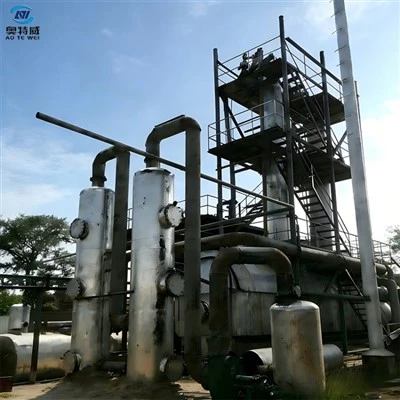
If you’re running a plant and unsure what to do with your char, or if you’re thinking of setting up a new pyrolysis operation and want to get the char part right, I’m here to help. We work with pyrolysis operators all over to design plants that handle char efficiently, connect them with char buyers, and help navigate regulations. Don’t let leftover char be a headache—let’s turn it into something useful. Reach out to us to talk through your setup, feedstock, and goals, and we’ll help you figure out the best way to dispose of (and profit from) your pyrolysis char.
Pyrolysis Plant References
- Brown, R. C. (2019). Pyrolysis of Waste Biomass: Principles and Practice. Wiley.
- Zhang, Y., et al. (2021). “Valorization of Pyrolysis Char from Waste Tires and Plastics: A Review.” Journal of Cleaner Production, vol. 298, p. 126789.
- US Environmental Protection Agency (EPA). (2020). “Management of Industrial Byproducts: Pyrolysis Char Disposal and Reuse.” EPA Report No. EPA-WASTE-20-005.
- Singh, B., et al. (2022). “Biochar as a Carbon Sequestration Tool: Opportunities and Challenges.” Sustainable Agriculture Reviews, vol. 44, pp. 117-145.
Shangqiu Aotewei Environmental Protection Equipment Co., Ltd.
Shangqiu Aotewei Environmental Protection Equipment Co., Ltd. is one of the most professional pyrolysis plant manufacturers and suppliers in China, also supports customized service. Please feel free to buy CE approved pyrolysis plant at competitive price from our factory. Welcome to contact us for pricelist.
Address: No.88 Longhai Road, Liangyuan District, Shangqiu City, Henan Province, China
E-mail: colin@henanpower.com.cn
WebSite: https://www.aoteweitech.com/
