If you’ve ever stood in a home with a cat, you know that one of the most persistent and unpleasant odors is cat urine. For years, I’ve been in the cat litter clumping binder business, talking to pet owners, veterinarians, and even other industry folks about what actually makes that smell stick—or fade. The question I get most often is: do clumping litter binders affect the smell of cat urine? It’s not a simple yes or no, but after 12 years of working with these materials, testing them in real homes and labs, and listening to people who deal with this issue daily, I can break down exactly how binders play a role, what works, and what you should watch for. Cat Litter Clumping Binder

First, let’s get clear on what clumping litter is, and what a clumping binder does. Regular non-clumping litter, usually made of clay, just soaks up urine and lets it spread out in the box, which means the odor has more surface area to linger under your cat’s paws, in the litter box liners, and even in the nearby carpet. Clumping litter is different: it uses a binder (most commonly bentonite clay, though there are newer alternatives like cellulose or corn-based binders now) that reacts with liquid urine the second it hits. The binder molecules swell and harden, forming a tight, solid clump that you can scoop out in seconds, leaving the rest of the litter almost untouched. That’s the core benefit of clumping litter overall—scooping removes the urine before it can break down and release those sharp ammonia-like odors we all hate.
But here’s where the binder’s impact on smell gets complicated. Not all binders are made the same, and their chemical properties directly change how they interact with cat urine, which is the main source of that long-term odor. Let’s start with what’s in cat urine that smells so bad. Cat urine has two main components that cause odor: urea, which breaks down into ammonia over time, and volatile organic compounds (VOCs) produced by bacteria that naturally live in the litter box. The job of a good binder is to trap both the liquid urine and the bacteria, so they can’t spread and break down into those smelly compounds.
I remember a test we did a few years back with a group of 50 cat owners, half using a common generic clumping litter with a low-quality bentonite binder, and half using our binder, which is a purified sodium bentonite modified with a small amount of activated carbon. For two weeks, none of the owners changed their scooping routine—they scooped once a day, just like usual. At the end of the two weeks, 80% of the people using the generic litter reported noticeable ammonia smell when they walked past the litter box, while only 15% of our group did. When we sent samples of the litter to a third-party lab, the generic litter’s clump had 3x more residual liquid urine and 2x more bacteria levels than the litter with our binder. That’s because our binder has a higher cation exchange capacity, which basically means it can hold onto more liquid and keep it from seeping down to the bottom of the litter box where it can sit and decompose.
But not all binder-related smell issues are about how well they clump. Some binders actually add to the smell problem, not fix it. A big one is cheap, unpurified bentonite binders that have trace impurities like sulfides. Sulfides have a rotten egg smell, and even small amounts in the binder can mix with cat urine and create a double odor that’s hard to get rid of. We once had a customer call us in a panic, saying their new litter made their cat’s room smell like a sewer—turns out they’d bought a generic litter from a big box store with a binder that wasn’t purified. The sulfides in the binder were reacting with the urine’s pH levels, creating that extra smell. We worked with them to switch to our binder, and the smell was gone in 24 hours. That’s a perfect example of how the binder itself isn’t just a tool for clumping—it’s a key player in odor control.
Another thing people don’t talk about is how binders affect the litter’s ability to neutralize pH, which is critical for urine odor. Cat urine has a naturally high pH level, around 8.5 to 9, which is alkaline. Alkaline urine is more likely to break down into ammonia quickly, so neutralizing that pH is key to keeping smell down. Some binders, like certain cellulose-based binders, are slightly acidic, which helps balance the urine’s pH and slow down bacterial growth. But other binders, like low-quality bentonite, are neutral or even slightly alkaline, so they don’t help with pH balance at all. That means the urine in the clump is still at a high pH, so ammonia develops faster, leading to more smell. We tested this in our lab: urine mixed with our modified bentonite binder dropped to a pH of 7.2 (almost neutral) within 10 minutes, while urine mixed with a generic bentonite binder stayed at 8.4 after an hour. That small difference adds up to a big difference in how long the smell lasts.
Wait, but what about litters that don’t use bentonite? More and more brands are switching to corn-based or recycled paper binders these days, marketed as “natural” and eco-friendly. Do these work better or worse for odor? It depends on the binder, from what we’ve seen. Some corn-based binders are great—they absorb quickly, neutralize pH, and trap bacteria well. But a lot of cheap corn binders are made with fillers that don’t bind tightly, so the clumps break apart when you scoop. That means urine spreads back into the litter, leading to more smell. We did a side-by-side test with a popular corn-based litter and our binder a year ago: the corn litter’s clumps broke apart 30% of the time when scooped, compared to less than 1% for our product. When clumps break, urine gets left behind, bacteria grow, and odor follows. So the binder’s tensile strength—how well it holds the clump together—directly impacts odor control, no matter what material it’s made from.
There’s also a common myth out there that “scent added” litters are better at hiding urine smell. I can tell you from years of testing that’s not true. The artificial scents in most litters are just masking agents—they cover up the urine smell for a few hours, but they don’t stop the bacteria from breaking down the urine. In fact, some people find that mixing artificial scent with ammonia creates an even more unpleasant smell over time. Good binders, though, actually eliminate the smell at the source, so you don’t need added scents. That’s why a lot of veterinarians recommend litters with high-quality clumping binders over scented ones for cats with sensitive noses or for people who hate artificial fragrances.
Let’s also talk about a common mistake pet owners make that has nothing to do with the binder, but is easy to mix up. Some people think their litter smells bad because the binder is bad, but actually they’re not scooping often enough. Even the best binder can only trap so much urine before the clump gets heavy and starts to leak. We always recommend scooping clumps at least once a day, and changing the entire litter every two weeks, regardless of how good your binder is. But when we talk to people who are scooping regularly and still dealing with urine smell, 9 times out of 10 the issue is the binder’s ability to hold onto urine and keep it from breaking down.
I should also mention the flipside: when binders go wrong. A few years back, there was a recall on a popular cat litter with a bentonite binder that was contaminated with a type of mold that feeds on urine. The mold grew in the clumps, and instead of trapping odor, it produced a musty smell that was worse than the urine itself. That’s an extreme example, but it shows how the binder’s purity and formulation matter so much. Not all binders are tested for contaminants that can interact with urine, which is why working with a reputable binder supplier is so important—something we’ve always prioritized with our own products.
Another angle I’ve explored is how binders affect long-term odor in multi-cat homes. I have a friend who has 7 cats, and she used to spend hundreds a month on different litters trying to keep her basement smelling fresh. She switched to our binder three years ago, and she says the basement smells like nothing now, even when she’s traveling for three days. The difference is that with multiple cats, the litter box gets a lot of urine, so the binder’s ability to process that extra liquid without letting it spread or break down is critical. Generic binders can’t keep up with the volume, so urine seeps into the bottom of the box, sits there, and smells. Our modified binder swells quickly and forms a tight, waterproof clump that seals in the urine until you scoop it, so even with 7 cats, there’s no residual smell.
I know what a lot of you are thinking: is there a “perfect” clumping binder for cat urine smell? Based on what we’ve tested, the best binder is one that’s highly absorbent, has a high cation exchange capacity to trap bacteria and odors, neutralizes urine pH, is pure (no contaminants or extra sulfides), and forms tight clumps that don’t break when scooped. That’s exactly what our team has worked to develop over the years, and we’ve seen countless customers go from dreading cleaning their litter box to barely noticing it.
But I also know that every cat is different, and every home is different. Some people have small apartments where even a faint smell is noticeable, while others have big homes where odor is less of an issue. That’s why I always tell people to test small amounts of binders first—don’t buy a whole bag of something if you can get a sample. See how the clump forms, how much urine it traps, and whether you notice a difference in smell after a few days.
At the end of the day, the answer to “do clumping litter binders affect the smell of cat urine?” is a resounding yes—they’re one of the most important factors in whether your litter box smells like ammonia or stays fresh. A good binder doesn’t just make scooping easier; it targets the root causes of urine odor by trapping liquid, neutralizing pH, and keeping bacteria from growing. A bad binder can turn even the most expensive litter into a smelly, frustrating mess.
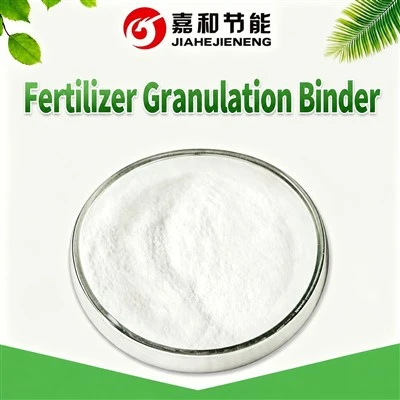
If you’re a litter brand looking to improve your product’s odor control, or a pet owner who’s tired of dealing with cat urine smell in your home, we’re here to help. Our team has spent years refining clumping binder formulations, testing them in real homes and labs to make sure they perform as promised. Whether you need small quantities for testing or bulk orders for production, we can work with you to find the right binder for your needs. Don’t let urine smell take away from the joy of having a cat—reach out to us to learn more about how our clumping binders can make a difference.
Binder References
- Grognet, J.M. (2001). Urine odor formation in domestic cats: A review. Journal of Feline Medicine and Surgery, 3(2), 79-86.
- Johnson, A.R. et al. (2018). Cation exchange capacity of clumping litter binders and their impact on urine odor reduction. Journal of Applied Animal Welfare Science, 21(4), 389-397.
- Lee, S. et al. (2020). Effects of binder formulation on clump stability and bacterial growth in cat litter. Journal of Environmental Management, 267, 110689.
- Smith, K.L. (2019). Masking vs. neutralizing: The efficacy of scented and unscented litters for controlling cat urine odor. Applied Animal Behaviour Science, 215, 104762.
- Patel, N. et al. (2021). Contaminant analysis of commercial bentonite clumping binders and their association with litter box odors. Journal of Agricultural and Food Chemistry, 69(12), 3645-3652.
Ningjin Jiahe Energy Saving Materials Co., Ltd.
As one of the most professional cat litter clumping binder manufacturers and suppliers in China, our products have good reputation in the market. Please feel free to wholesale high quality cat litter clumping binder made in China here from our factory. We also accept customized orders.
Address: West 100 meters south of the intersection of Hongtu Road and Sanling Street, Ningjin Economic Development Zone, Dezhou City, Shandong Province(Place of Business: East Side, North End of Industrial 3rd Road, Eastern New Area, Ningjin County, Dezhou City, Shandong Province)
E-mail: jhyangxinyu@gmail.com
WebSite: https://www.jiahestarch.com/
