Hey there, Bulk Bag
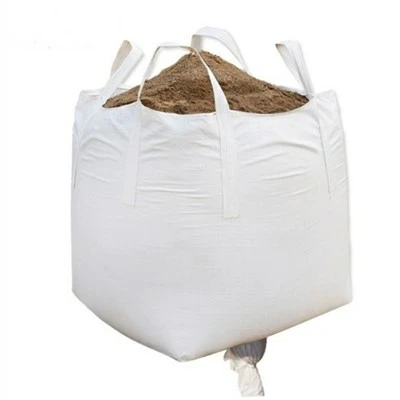
If you’re reading this, chances are you’ve got a torn bulk bag on your hands—maybe it’s one you’ve used for storing grain, construction debris, or industrial chemicals, and you’re staring at that rip wondering if you should just toss it and buy a new one. As a bulk bag supplier, I hear this question all the time from customers, and here’s the thing: most tears aren’t the end of the bag. With the right approach, you can repair it yourself and save money without compromising safety. Let’s break this down like we’re chatting over a coffee, no fancy jargon, just straight-up tips that actually work.
First, let’s get one thing out of the way: not all tears are fixable. If the bag’s ripped along a seam, or if it’s a big hole (bigger than your palm) that’s been fraying for weeks, maybe it’s time to recycle it. But if it’s a clean tear in the fabric itself—we’re talking a 2-6 inch slit, or a small hole from a stray nail or rough pallet edge—you can definitely repair it. The key here is to use materials that match the original bag’s strength, because bulk bags hold heavy stuff (we’re talking 1,000-2,000 lbs here) so your repair can’t be flimsy.
Let’s start with the basics: what you’ll need. Don’t run out and buy random tape or glue—trust me, that doesn’t hold. You’ll want: heavy-duty polypropylene webbing (this is the same material bulk bags are made of, so it’s stretchy and strong), a high-temperature plastic welder (or a hair dryer on high heat if you’re on a budget), a sharp pair of scissors, and maybe a few safety pins to hold things in place while you work. Oh, and don’t skip the work gloves—those rough edges can give you a nasty cut.
Now, step-by-step. Let’s say the tear is a clean slit on the side of the bag, near the bottom (that’s the most common spot, by the way, since that’s where bags rub against pallets). First, clean the area around the tear. If there’s dust, dirt, or leftover material on the bag, wipe it down with a damp cloth and let it dry completely. If you try to weld or glue a dirty surface, it’ll come apart in no time. Next, trim the frayed edges. Use your scissors to snip off any loose threads around the tear—if the fabric’s already frayed, this makes the repair smoother and stronger.
Next, prepare the webbing. Cut a piece of polypropylene webbing that’s about 2 inches wider than the tear on both sides. So if your tear is 4 inches long, cut a webbing piece that’s 8 inches long (2 inches on each end). Lay the webbing flat on a clean surface, then lay the bag’s tear over the webbing. Here’s the trick: you want to cover the tear completely, and make sure the webbing extends past the frayed edges by at least an inch. Now, hold the webbing and bag together with safety pins—don’t pull too tight, just enough to keep them from shifting.
Now, the welding part. This is the most important step. If you have a plastic welder, set it to 300-350 degrees (polypropylene melts at around 320 degrees, so don’t go too high). Run the welder along the edge of the webbing, where it meets the bag, making sure to go over the entire length of the tear. Don’t just weld a quick line—make a ½ inch wide weld seam. If you’re using a hair dryer, hold it about 1 inch away from the webbing and bag, moving it back and forth until the plastic melts and sticks together. Once it’s melted, press the webbing firmly against the bag with a flat object (like a ruler) for 10-15 seconds to let it cool and set.
Wait, what if you don’t have a welder or hair dryer? Yeah, I’ve been there. For small tears, industrial-grade adhesive works—just make sure it’s designed for polypropylene. Apply a thin layer to the webbing and the tear, press them together, and weigh the bag down with a heavy object (like a pallet) for 24 hours. But I have to warn you, adhesive repairs don’t last as long as welded ones, so only use this for light loads.
Now, let’s talk about seams. If the tear is along a seam (the stitched lines that hold the bag’s sides together), that’s a little different. You’ll need a heavy-duty sewing machine with a needle designed for thick polypropylene—regular sewing machines will break the needle, trust me. First, unstitch about 2 inches on either side of the tear in the seam, then lay a piece of webbing along the seam, pin it in place, and sew a new seam over the old one, making sure to backstitch at the start and end so it doesn’t come undone. Again, trim the frayed edges before you sew, and make sure the stitch is tight.
But here’s a pro tip from our team: always test the repair before you load the bag. Fill it with a small amount of material (like 500 lbs) and let it sit for 24 hours. Check the repair—if it’s still holding, you’re good to go. If there’s any sign of it lifting, redo the weld or seam.
Wait, what about tears on the top of the bag, near the fill spout? That’s another common spot. The top of the bag is usually reinforced, so you’ll want to use a thicker webbing for that area. The same steps apply: clean, trim, weld, test. Just make sure you cover the spout opening with tape while you work, so no debris gets inside the bag.
Now, let’s be real—sometimes it’s not worth repairing. If the bag has a tear bigger than 6 inches, or if it’s torn multiple times in the same spot, or if it’s holding a corrosive material (like fertilizer or chemicals), you should probably get a new bag. Corrosives break down polypropylene over time, so a repair might not hold up. Also, if the bag is more than 5 years old, even if it looks good, the fabric is probably weakened from UV exposure if it’s been stored outside. Don’t risk a bag that could break and spill your load—safety first, always.
As a bulk bag supplier, I’ve seen customers waste a ton of money on throwing out perfectly good bags because they don’t know how to repair them. But I also want you to know that if a repair isn’t an option, we’ve got you covered. We stock a full line of new and used bulk bags, all tested for strength and durability, so you don’t have to worry about your load spilling. We’ve worked with construction companies, farms, and industrial facilities for years, and we know exactly what size and type of bag you need for your materials.
If you’re tired of dealing with torn bags or just want to stock up on quality bulk bags for your next project, hit us up to discuss your specific needs. We can help you find the right size, weight, and style, and we’re happy to answer any questions you have about repairs or proper bag care. Don’t let a torn bag slow you down—whether you’re fixing it yourself or replacing it, we’re here to make it easy.
Now, a quick note on bag care to avoid tears in the first place: always use a pallet jack with forks that aren’t sharp, because sharp forks can puncture the bottom of the bag. Don’t overload the bag—every bag has a maximum weight, so don’t push it beyond that. And when storing bags, keep them in a cool, dry place away from direct sunlight, because UV rays break down the fabric over time.
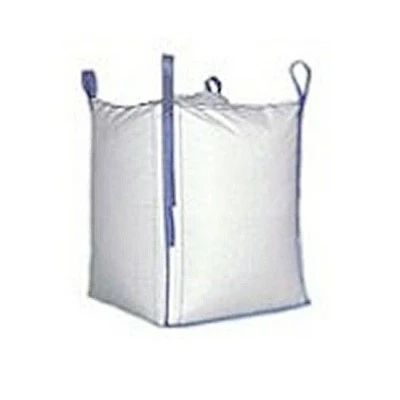
That’s pretty much it. Repairing a torn bulk bag isn’t hard, as long as you use the right materials and take your time. And if you’re not comfortable doing it yourself, just reach out—we can point you to local repair services or supply you with new bags. At the end of the day, we’re here to help you get the job done right, without wasting money on unnecessary replacements.
Aluminum Foil Pouch References:
- Bulk Bag Manufacturers Association. (2022). "Guidelines for Repairing Flexible Intermediate Bulk Containers (FIBCs)." International Bulk Container Association.
- Polypropylene Fabric Technical Manual. (2021). Industrial Textile Association.
- OSHA. (2020). "Safety Guidelines for Handling Bulk Storage Containers." Occupational Safety and Health Administration.
Heze Jinniu Plastics Co., Ltd.
As one of the most professional bulk bag manufacturers in China, we have world-leading production equipment and strong manufacturing capabilities. Please rest assured to wholesale bulk high quality bulk bag for sale here from our factory.
Address: South section of Renmin Road, Heze City, Shandong Province
E-mail: lishaobin2379@163.com
WebSite: https://www.jnbulkbags.com/
