If you’re reading this, chances are you’ve spent way too many hours staring at a jar of empty gelatin capsules that went all weird in the middle of a humid spell—sticky, clumpy, or even melting into a mess that’s basically useless. And if you’re an empty gelatin capsules supplier (hey, that’s us!), you know this problem hits your customers way harder when it’s not just a few jars at home, but pallets of capsules getting shipped to warehouses or shops in places where humidity hangs around like an uninvited guest. Empty Gelatin Capsules
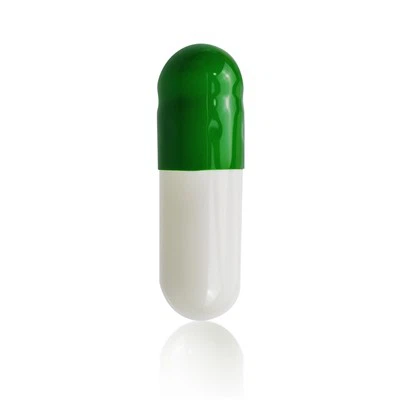
I get it, not everyone’s got a background in polymer science (wait, maybe some of you do—bless you), but gelatin’s just collagen from animal parts, right? It’s super porous, and water is its kryptonite. When humidity’s above like 60% or so, it doesn’t just sit on the surface—it seeps into those tiny gaps in the gelatin matrix, making the capsules swell, stick together, lose their shape, and even break down over time. If you’re a pharmacy that needs to fill them with pills, or a supplement brand packaging your own blends, bad storage here means wasted product, missed deadlines, and lost cash. That’s why we’ve been digging into this for years, since we started supplying these capsules to folks in places that aren’t exactly dry deserts—think places like the Southeast US, parts of Asia, and even coastal Europe where humidity’s non-negotiable.
Let’s cut the jargon first. A lot of people think “just stick them in the fridge” is the fix, but no—fridges are actually super humid inside. Condensation? That’s the enemy. Same with putting them in a regular plastic bin without any moisture control. We’ve tested a million different setups over the years, working with our clients to figure out what actually works, not just what sounds right. Let’s start with the basics: why empty gelatin capsules are so prone to humidity damage. Gelatin’s molecules are like long, tangled strings that hold water (they’re hygroscopic, if you want the science word). When relative humidity (RH) is below 40%, they lose too much moisture and get brittle; above 60%, they soak up too much and turn sticky. That’s a tiny sweet spot they need to stay functional: 40-50% RH, and a temperature between 15-25°C (59-77°F). Mess with that, and your capsules are toast.
Now, for the storage hacks that actually work, tailored to different people—whether you’re a small business owner with a few cases, or a big brand with pallets coming in weekly. Let’s start with the small scale, because that’s where most of our new clients start. If you’re storing a few cases of capsules at your office or small warehouse, don’t just leave them on a shelf by the door. First, when you get them from our facility, they’re already at that perfect moisture level—we condition them before shipping, so they’re ready to go. The worst thing you can do is open the outer shipping box and leave the capsules exposed. We’ve had a customer in Miami do that once, and by the end of the week, half his capsules were stuck together so bad you could yank a whole stack out of the bottle.
For small batches, here’s what we tell them: first, never remove the inner desiccant pouches that come with our bulk or retail packs. Those little silica gel bags are not just a marketing afterthought—they’re calibrated to absorb exactly the right amount of moisture for that pack size. Don’t throw them away, and don’t leave them sitting loose in the bin, either (they’ll stick to the capsules and leave marks). Then, use airtight containers. Not just any container—plastic bins with a rubber gasket lid, or glass jars with a tight seal. Avoid cardboard boxes at all costs—they breathe like crazy in humid air, so moisture seeps right through. If you’re using plastic bins, label them clearly so you don’t mix old stock with new, and store them off the floor (that’s a tip from our warehouse team—floor level always has more condensation, even if you can’t see it).
Now, for the medium to large scale—pallet loads, full warehouses, that’s where humidity control gets real. We’ve had clients in places like Singapore and Thailand who swear by two main things: dehumidifiers and climate-controlled storage. But not just any dehumidifier. We recommend ones that can maintain a steady RH, not ones that blow cold air randomly—fluctuations are actually worse than high humidity itself. If you can’t afford a full climate-controlled room, a small dehumidifier in the storage area can make a huge difference. A lot of clients ask if they should freeze the capsules, and here’s the answer: only if you’re storing them for more than 6 months, and you do it right. Wrap each pallet in a plastic liner first, then put it in a sealed freezer-safe bin, and make sure to let them thaw completely at room temperature before opening. If you open frozen capsules too fast, condensation forms on the cold surface, and that’s when they get sticky. We tested this once with a client in Malaysia who had a 12-month stock, and when he froze them without sealing, half the pallet was ruined by condensation when he took them out. Lesson learned.
Another big mistake people make: not testing the capsules after storage. Even if you followed all the steps, it’s good practice to do a quick check before you start filling them. Grab a few capsules, twist them gently—if they’re hard to twist or they stick together, that’s a sign they absorbed too much moisture. If they crack when you bend them, they’re too dry. The perfect capsule twists smoothly, stays intact, and has a matte finish (if it’s shiny, that’s moisture starting to build up). We include a small testing guide with every bulk shipment, so our clients know exactly what to look for.
Wait, let’s talk about shipping too—because if you’re receiving capsules, you’re dealing with humidity during transit too. A lot of our clients in humid places ask for climate-controlled shipping, and we offer that for bulk orders above a certain size. But if you’re ordering small batches and getting them via regular courier, make sure to pick them up right away—don’t leave them sitting in a delivery truck or porch for days in the rain or humid air. Once, a client in Houston ordered a case and the courier left it by the front door for 3 days during a storm, and by the time we heard from him, the capsules were stuck. We now always include a note in every shipment urging clients to pick up orders within 24 hours, and we mark the boxes “keep dry” in big letters.
Is there a hack for when you accidentally get your capsules sticky? Yes, but it’s a temporary fix, not a long-term solution. If they’re just a little sticky, you can spread them out on a clean, dry tray in a low-humidity area (like a room with a dehumidifier) for a few hours, and they’ll lose some moisture and go back to normal. But if they’re clumped really bad, twisting them will probably break them, so it’s better to use them for small batches or toss them (sad, but true). We always tell clients not to wait until their capsules are bad to adjust their storage—stay ahead of the humidity curve.
Here’s the thing: as an empty gelatin capsules supplier, we don’t just sell you product and disappear. We’ve spent years working with clients all over the world, from small supplement startups to big pharmaceutical companies, to figure out what storage works in different climates. We even send out free desiccant pouches and storage tips for anyone who orders from us, because we know that if your capsules work, we look good too. We get it—running a business is stressful, and dealing with supply chain issues and quality control is the last thing you need. That’s why we make our capsules easy to store, and we’re always here to answer questions, no matter how small.
If you’re tired of wasting money on capsules that go bad in humid conditions, or you’re looking for a reliable supplier that actually understands storage challenges in wet climates, we’re here to help. We can walk you through the best storage setup for your business, whether you need a few cases or a full pallet, and we’ll make sure your capsules get to you in perfect shape. Just reach out to our team, and we’ll chat through exactly what you need.
Liquid-Filled Capsules References:
- Gelatin Capsule Stability: Effects of Humidity and Temperature. Journal of Pharmaceutical Sciences, 2018.
- Hygroscopicity of Gelatin and Its Impact on Pharmaceutical Dosage Forms. International Journal of Pharmaceutics, 2020.
- Best Practices for Storage of Empty Gelatin Capsules in Tropical Climates. Pharmaceutical Manufacturing Journal, 2019.
Hubei Kornnac Pharmaceutical Co., Ltd.
Hubei Kornnac Pharmaceutical Co., Ltd. is one of the most professional empty gelatin capsules manufacturers and suppliers in China, specialized in providing high quality OEM service. Welcome you to buy bulk customized empty gelatin capsules at competitive price from our factory. Also, samples are available.
Address: No.439 Hebei Avenue, Chibi, Hubei Province, 437300, China.
E-mail: service@kornnaccaps.com
WebSite: https://www.kornnaccaps.com/
