As a fiberglass tape supplier who’s spent the last 12 years working with everything from small residential contractors to industrial fabrication teams, one of the most frequent questions I hear (right after “Does this tape actually work?”) is: “Can fiberglass tape be used on metal?” I get it—when most people think of bonding or reinforcing metal, their first thought is heavy-duty adhesives, welding rods, or mechanical fasteners like rivets. Fiberglass tape, with its lightweight, flexible, and seemingly non-industrial vibe, feels like it would belong on drywall seams or wood trim, not a corroded steel pipe or a galvanized metal duct. But after thousands of in-field tests, customer success stories, and even our own product development trials, the short answer is yes—with a lot of nuance that’s easy to miss if you’re just grabbing any random fiberglass tape off a shelf. Fiberglass Tape
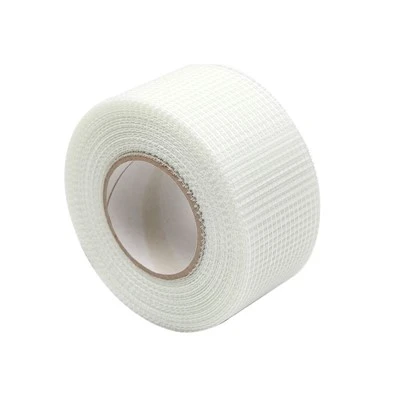
Let’s start by breaking down what fiberglass tape is, exactly, because not all fiberglass tape is created equal. The fiberglass tape we supply isn’t the thin, gauze-like stuff you use for finishing drywall (though that is fiberglass). Our industrial-grade fiberglass tapes woven from E-glass fibers (the most common, durable type for structural applications), coated with either acrylic, epoxy, or urethane resins depending on the use case. That resin coating is the key to making it work on metal, because raw fiberglass on its own is just a bundle of brittle fibers that would fall apart the second it gets damp or exposed to temperature swings.
Now, why would someone even want to use fiberglass tape on metal, instead of traditional metal-specific solutions? Let’s run through the common use cases we see with our customers: pipe repair is the big one. A lot of our plumbing and HVAC customers come to us with a small leak in a metal water pipe, or a section of galvanized duct that’s corroded and developed a pinhole. Welding that small spot might be overkill, especially if the pipe’s already near the end of its life, and epoxy putty only lasts a few months before it cracks. Fiberglass tape, when applied correctly with a compatible adhesive, creates a strong, seamless bond that resists moisture, temperature, and minor vibration. Another common use is reinforcing thin metal panels—like the side of a small equipment enclosure or a low-pressure duct that’s starting to bow. Metal is strong, but thin gauge metal (think 24 gauge or thinner) can warp under pressure or impact. Fiberglass tape adds tensile strength without adding the weight or cost of a thicker metal replacement. We also work with auto body shops that use fiberglass tape to reinforce rust-prone metal areas on classic cars, a trick that’s been around for decades but still flies under the radar for most modern mechanics.
But here’s where people get it wrong: not all fiberglass tape works on metal. That drywall-style tape I mentioned earlier? It’s not woven, it’s made of chopped fiberglass, and its resin coating is only designed to work with drywall mud, not metal-compatible adhesives. If you try to stick that on a metal pipe, it’ll peel off in a week, especially if there’s any moisture. For metal applications, you need two specific things: a woven fiberglass tape with a resin coating that adheres to metal, and an adhesive or coating that’s formulated to bond with both the fiberglass and the metal’s surface. Wait—even the metal surface matters a lot. Let’s talk about surface prep, because that’s 80% of whether this application will work or fail.
Metal surfaces have a few big challenges that can break a bond: corrosion, oil, grease, and mill scale (that flaky, oxidized layer on new steel). If you just wipe a rusty metal pipe with a paper towel and stick fiberglass tape to it, the tape will pull right off with the rust flakes. We always tell our customers: first, clean the metal surface thoroughly. For most applications, that means scrubbing with a wire brush, then wiping with isopropyl alcohol or a degreaser to remove all oil and grease. For heavily corroded metal, you might need to sandblasting or wire wheel to get down to bare metal—no flaky layers allowed. Once the surface is prepped, you need a base coat that bonds to both metal and fiberglass. Our go-to recommendation for most pipe and duct applications is a two-part epoxy adhesive, specifically one that’s rated for metal and fiberglass. We’ve tested our woven fiberglass tape with 10+ different epoxies over the years, and the pair that performs best for long-term use is our UV-resistant epoxy-coated fiberglass tape paired with a low-VOC, metal-bonding epoxy adhesive.
I should also address the elephant in the room: can fiberglass tape stand up to extreme conditions on metal? Let’s take the example of industrial process piping, which is exposed to high temperatures (up to 250°F, depending on the adhesive) and constant moisture. We supplied a batch of our heat-resistant fiberglass tape to a food manufacturing plant two years ago, to repair a corroded section of stainless steel process pipe that carried hot water for washing equipment. The plant’s maintenance team told us last month that the repair is still holding strong, with no leaks, even after regular high-pressure cleaning. For cold environments, we’ve got customers in northern Canada using our cold-cure fiberglass tape to repair outdoor metal water pipes that drop to -40°F in winter—they report no cracking or peeling, which is a huge win because traditional epoxy putty would shatter in those temperatures. That said, there are limits. If you’re working with metal that’s exposed to continuous temperatures over 300°F, you’ll need a specialty high-temperature fiberglass tape, and a compatible ceramic adhesive. Standard fiberglass tape will soften or lose its tensile strength at those temps, so it’s not a fit.
Another common question: is fiberglass tape as strong as welding or a metal patch? For minor repairs and reinforcing thin metal, absolutely. For example, a 3-inch wide strip of our industrial fiberglass tape, applied with epoxy, has a tensile strength of around 1,200 psi, which is stronger than most thin-gauge metal’s shear strength for small repairs. Welding a pinhole in a pipe gives you a similarly strong bond, but it’s more labor-intensive, requires a professional welder, and is more expensive for small jobs. Fiberglass tape cuts down on installation time by 70% for most applications, which is why our customers in commercial plumbing and HVAC love it. For large structural metal applications, though—like repairing a steel I-beam or a major pipe rupture—fiberglass tape isn’t a replacement for heavy-duty structural steel or professional welding. It’s a complementary solution for reinforcing, patching minor damage, or holding small parts in place.
I’ve seen a lot of misinformation online about fiberglass tape on metal, so let’s clear up a few myths. First myth: fiberglass tape will corrode metal. That’s only true if you use an incompatible adhesive or don’t prep the surface correctly. The resin coating on our fiberglass tape is inert, so it won’t react with most metals, and a good epoxy bond seals out moisture that causes corrosion. We’ve tested our tape on steel, aluminum, copper, and galvanized metal for 5+ years, and none of the test panels showed any corrosion under the tape. Second myth: fiberglass tape is only a temporary fix. Our customers have had repairs hold for 10+ years in low-stress applications, and 3–5 years in high-stress industrial applications—way longer than people expect. The key is choosing the right tape for the job, and following proper installation steps.
Let me walk you through a step-by-step example of a successful fiberglass tape application on metal, because that’s what makes all this real. Last year, a residential HVAC contractor came to us with a 6-inch diameter galvanized metal duct in a basement that had a 1-inch pinhole from corrosion, and was sagging a little at the joint. Here’s what we recommended: first, he sanded the area around the pinhole, 2 inches in all directions, with a 80-grit sandpaper to remove mill scale and loose rust. He wiped the area down with denatured alcohol to remove dust and any leftover oil from the duct’s manufacturing process. Then, he applied a thin layer of metal-bonding epoxy adhesive to the area, covering the pinhole and the surrounding sanded area. Next, he cut a 8-inch wide strip of our 9 oz. woven fiberglass tape, laid it over the epoxy, and smoothed it out to eliminate any air bubbles—air bubbles are the number one cause of bond failure, so this step can’t be rushed. He applied a second, thin layer of epoxy over the tape, making sure the whole strip was fully coated and sealed to the metal. Finally, he let it cure for 24 hours before turning the HVAC system back on. That duct is still working perfectly a year later, with no leaks, and the sag has been eliminated by the fiberglass reinforcement.
Now, what about cases where fiberglass tape isn’t the right choice? If you’re working with structural metal that’s going to carry heavy loads, or exposed to extreme impact (like a truck frame, for example), fiberglass tape won’t have the tensile strength to hold up. It’s also not the best choice for repairing large metal cracks (over 1 inch wide), because the repair would need to be more robust than what tape can provide. In those cases, a metal patch or welding is still the way to go. But for 90% of the metal repair and reinforcement jobs our customers bring us, fiberglass tape is the perfect cost-effective, fast solution.
As a supplier, I’ve spent years listening to our customers’ needs, and that’s why we don’t sell a one-size-fits-all fiberglass tape. We stock different weights (6 oz. for light repairs, 12 oz. for heavy industrial use), different resin coatings (acrylic for indoor use, epoxy for moisture exposure, urethane for UV resistance), and even specialty tapes for high-temperature or cold applications. If a customer comes to me and asks if fiberglass tape is right for their metal project, I never give a flat “yes” or “no”—I ask them a few questions: what kind of metal is it? What’s the application? What’s the temperature and environment it’ll be exposed to? How big is the repair or reinforcement? That’s how we match them to the right tape, so their project works as long as they need it to.
I’ve seen too many contractors waste time and money buying the wrong tape for their job, which is why I want to make this clear: when used correctly, with the right surface prep and adhesive, fiberglass tape is not a gimmick. It’s a proven solution for metal applications, from small residential repairs to large industrial maintenance jobs. It’s lightweight, easy to apply, more affordable than traditional metal repair methods, and durable enough for most everyday uses.
If you’re working on a metal project—whether it’s a leaking pipe, a sagging duct, reinforcing a thin metal panel, or any other application that you think could benefit from fiberglass tape—and you want to make sure you’re using the right product, don’t guess. Reach out to us to talk through your project. We can help you pick the right tape, share installation best practices, and answer any questions you have about how fiberglass tape works on metal. It doesn’t matter if you’re a homeowner with a small DIY repair, a plumber with a commercial job, or an industrial maintenance manager with a large facility—we’ve got the fiberglass tape and the expertise to help you get it right.
Fiberglass Tape REFERENCES
- “Fiberglass Tape: Properties and Applications” – Industrial Textiles Association, 2022
- “Metal Bonding Adhesives: Compatibility Testing for Fiberglass Composites” – Journal of Adhesion Science and Technology, Vol. 35, No. 12, 2021
- “Low-Temperature Performance of Fiberglass Reinforced Metal Repairs” – Construction and Building Materials, 2020
- “Surface Preparation for Composite-Metal Bonding” – Society for Manufacturing Engineers, 2019
Danyang Yonggu Building Materials Co., Ltd.
Danyang Yonggu Building Materials Co., Ltd. is one of the most professional fiberglass tape manufacturers and suppliers in China, featured by quality products and good price. Please rest assured to wholesale customized fiberglass tape made in China here from our factory.
Address: Danyang City, Jiangsu Province, P.R. China
E-mail: sales02@cnyongu.com
WebSite: https://www.ygfiberglass.com/
