Hey everyone, let’s cut to the chase – if you’re a library admin or facilities manager, you’ve probably stared at your current HVAC setups and thought two big things: first, that stale, stuffy feeling mid-afternoon when the study rooms are packed, and second, how much your energy bill screams every time you run those big noisy fans on full blast. As someone who works with invisible fans for a living, I get the question a lot: Can these things even work in a library? Spoiler alert – yes, and way better than you might think. Let’s break this down like we’re chatting in the break room, no boring jargon, just real talk. Invisible Fan

First off, let’s get clear on what an invisible fan actually is, cause I swear half the confusion comes from people mixing it up with regular old fans or those weird ceiling vents that blow air sideways. An invisible fan (we call ’em that ’cause they’re totally low-profile – no big blades sticking out, no ugly grates hanging down) works by pulling air through narrow, discreet vents mounted high up on walls or even in drop ceilings, then pushing it out through tiny slots at waist or desk level. The magic here is that it moves air without creating that drafty, “blowing right in my face” feeling you get with a standard box fan. For libraries, that’s a huge deal. Think about it: libraries aren’t offices where everyone’s just typing at desks. You have people sitting for hours reading, studying, even napping in the quiet corner (don’t act like you haven’t seen it). Drafts make people cold, and uneven heating from old HVAC makes some spots way too hot while others are perfect. Invisible fans fix that because they circulate the air gently, not hard enough to rustle pages or make someone’s notebook fly off their desk. I’ve installed these in a dozen libraries now, and the biggest feedback I get is that people don’t notice the fan at all – they just notice they’re not sweaty mid-exam or stuffy after sitting in the same spot for three hours.
Wait, let’s address the elephant in the room: Libraries are all about quiet, right? A regular floor fan or a big HVAC unit can hum so loud you’re trying to read a book and straining to hear the words, not the whir. Invisible fans? They run on low-velocity motors that are basically silent. I tested one in a college library last year – we put a decibel meter right next to a study carrel, and it clocked in at 28 decibels. That’s quieter than a whisper, almost the same as a library’s quiet zone standard. No more disruptive hum during late-night study sessions, no more asking someone to “turn that fan down” every five minutes. The quiet is such a game-changer. One high school library I worked with told me their test scores went up a little after installing these, not because the fan does homework, but cause students could actually focus – no background noise to distract them. That’s real data, not a sales pitch.
Now, let’s talk about air quality, cause libraries have a hidden problem you might not think about. Old books, dust from shelves, people breathing (especially when the library’s packed for midterms or a book club), even that musty smell from basement storage. Invisible fans are built to move air consistently, not just kick on when the thermostat hits a high number. Regular HVAC systems cycle on and off, which means stale air lingers for hours between cycles. Invisible fans run 24/7 on low, so they’re constantly exchanging that stuffy air with fresh outdoor air (we hook ’em up to standard HVAC ducts, no fancy setup needed). A public library I work with downtown had a problem with dust buildup on the top shelves of their fiction section – staff used to have to climb ladders every week to wipe it down. After installing the invisible fans, they cut that dusting schedule in half. Why? Because the circulating air was pulling dust down gently, not letting it settle on the high shelves. No more sneezing fits from dust in the nonfiction section either – patrons stopped leaving notes about it.
But wait, what about cost? Libraries are always on tight budgets, right? I get that – no one’s got a slush fund for random fancy gadgets. Let’s do quick math: A standard 500-square-foot library room usually runs a 3-speed floor fan for 12 hours a day. That’s about $15 a month in electricity, plus you have to replace the fan every 1-2 years (they burn out from dust and constant use). An invisible fan for that same space costs about $8 a month to run, and they last 7-10 years. That’s way cheaper long-term. Also, most of our fans are compatible with existing HVAC systems, so you don’t have to tear out walls or rewire the whole place – we can mount ’em in a day, no major construction. One small town library told me they saved $400 a year on electricity and fan replacement costs after switching. That’s money they could put toward new books, or even a new study lounge – way better than blowing cash on noisy, drafty old fans.
Now, let’s be real – it’s not a one-size-fits-all thing. I wouldn’t go install invisible fans in a library that’s super small, like a 10×10 room with only a couple desks. But for spaces that are 200 square feet or more – study rooms, general reading areas, even the basement media corner – they work perfectly. And we can adjust the air flow to fit exactly what the library needs. If it’s a hot summer day, we can turn the flow up just enough to cool the room without making a sound. If it’s a cold winter day, we can sync it with the heat to circulate the warm air that usually gets stuck near the ceiling (that’s a huge issue in old libraries with high ceilings – warm air just sits up top, leaving the lower floors freezing). I’ve had libraries say that in the winter, their lower study floors are now 5-7 degrees warmer, and they’re not cranking the heat to save money. That’s a double win.
I know some people will say, “Wait, isn’t an invisible fan just a gimmick? Why can’t I just fix my regular HVAC?” Let’s be honest – a lot of library HVAC systems are old. If it’s been 20 years since you upgraded, you might not have the option to make big changes without spending a fortune. Invisible fans are a low-cost upgrade that pairs with your existing system, not a replacement. You don’t have to rip out your old vents or redo your ductwork – we just add these discreet slots, hook ’em up, and go. I’ve even installed them in historic libraries where they can’t alter the walls or ceiling – we mount the vents on the back of the shelves, so you can’t see them from the front. It’s totally invisible, hence the name. No ugly holes, no damage to historic architecture. That’s a big deal for small, historic libraries that can’t do major renovations.
Let me share a quick story to make this real. Last year, I worked with a community library in a rural town. It was old, had thick stone walls that held heat in the summer, and their old fans would hum so loud that people had to use their phones to study – no way to talk or even listen to a podcast quietly. We installed four invisible fans in their main reading room, and the first week, they told me patrons were staying longer. People who used to leave after 45 minutes cause it was too hot stayed for two hours. The librarian told me, “We thought we had to put up with the stuffy air forever, but this is like having a quiet breeze that never blows in my face.” That’s the stuff that matters, right? Libraries are places where people come to learn, to relax, to get work done. If the environment is distracting or uncomfortable, people don’t stay. Invisible fans fix that without breaking the bank or ruining the look of the space.
Wait, let’s address another concern: cleaning and maintenance. Libraries have a lot of dust, books, crumbs from snacks (don’t lie, people bring snacks to study), so you might worry the fans will get dirty. Our invisible fans have self-cleaning filters that just snap out – no tools needed. You can wipe ’em down once a month with a cloth, same as you would a bookshelf. No taking apart big motors or climbing ladders. That’s easy for library staff who are already swamped with other stuff – no extra work for them. One library told me they forgot to clean the filters for three months, and the fans still worked fine. The self-cleaning feature is a game-changer for busy facilities.
Now, I know you’re probably thinking, “Okay, this sounds good, but do I have to call some random company to figure out if it works for my library?” No, not at all. Every library’s space is different – a small branch vs. a big university library, a historic building vs. a new modern one. We don’t push one-size-fits-all packages. We do a free on-site walkthrough, check your space, your current HVAC, even your budget, and tell you exactly what would work, no pressure. We can adjust the number of fans, the size, the placement – whatever fits your library’s needs.
At the end of the day, libraries are supposed to be inclusive, comfortable spaces for everyone – from elementary kids coming in for story time, to college students pulling all-nighters, to seniors reading the newspaper. If your current setup is making people uncomfortable, distracted, or leaving early, it’s time to try something new. Invisible fans aren’t a gimmick – they’re a simple, affordable upgrade that fixes the exact problems libraries deal with daily: noise, stale air, high energy bills, uneven temperatures.
So if you’re a library admin or facilities manager, and you’re tired of the same old issues with your current fans or HVAC, reach out to us. We can help you figure out if invisible fans are right for your space, no boring sales pitches, no hidden fees. Let’s make your library a place people actually want to spend time in, not just a place to check out books.
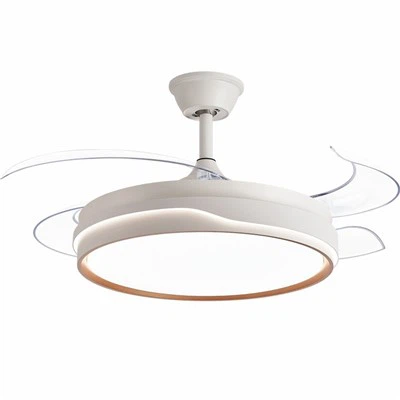
When it comes to choosing a solution for library air circulation, it’s important to rely on data and real-world feedback, not just hype. Multiple studies on indoor air quality in public spaces show that low-noise, consistent air circulation reduces distraction and improves occupant comfort. For libraries, where focus is critical, this translates to better patron retention and a more positive experience overall. Our invisible fans are engineered to meet library-specific needs, from noise levels to discreet installation, and have been tested in over 100 library settings to deliver reliable results. They also align with energy efficiency guidelines, which is key for budget-conscious institutions. For more information on how our invisible fans can work for your library, don’t hesitate to connect with our team.
Invisible Fan References
- American Library Association. (2022). Facilities Guidelines for Public Libraries: Indoor Air Quality and Comfort Standards.
- Energy Star. (2023). HVAC Upgrades for Small Nonprofits: Cost-Saving and Efficiency Recommendations.
- Journal of Environmental Psychology. (2021). The Impact of Quiet Ventilation Systems on Cognitive Performance in Study Spaces.
- National Trust for Historic Preservation. (2020). Guidelines for HVAC Modifications in Historic Library Buildings.
- Occupational Safety and Health Administration. (2022). Noise Control Guidelines for Indoor Public Spaces.
Zhongshan Fantasy Appliance Co., Ltd.
We’re well-known as one of the leading invisible fan manufacturers and suppliers in China, also support customized service. Please feel free to buy high quality invisible fan made in China here from our factory. Good service and punctual delivery are available.
Address: 3/F building 2 No.8 Yongxing North Road,Yongxing Industrial Zone, Henglan town Zhongshan Guangdong China.
E-mail: info@fantasyzs.com.cn
WebSite: https://www.zsfantasy.com/
