Hey there, Fermentation System

If you’ve ever dabbled in fermentation—whether it’s brewing that perfect IPA, crafting probiotics for gut health, or growing yeast for biotech—you’ve probably heard people talk about “aeration” like it’s some magic button. Let me cut through the noise and tell you straight: it’s not magic, but it’s the make-or-break variable that most new folks (and even some folks who should know better) sleep on. As a fermentation system supplier, I see this every single day. Customers call me panicking because their yeast won’t grow, their batch stalled, or their yield’s half of what it should be. Nine times out of ten? It’s not their strain, their temperature, or their malt bill—it’s their aeration game.
Let’s break this down simply, no stuffy textbook jargon. First, what even is aeration in fermentation? Wait, hold on—before you tune me out, I’m not talking about the random burst of air you might dump into a homebrewer’s carboy. We’re talking about the controlled, measured flow of oxygen (yeah, oxygen—not just any air) into your fermentation vessel when microbes (yeast, bacteria, fungi) are in their “growth phase” before they switch to fermenting sugars into alcohol, acid, or whatever end product you’re making. This is non-negotiable, by the way. Microbes are living things—they need oxygen to breathe, just like we do, but only at specific times and in specific amounts.
Let’s start with yeast because that’s the most common case I deal with. When yeast gets pitched into a wort, growth medium, or whatever feedstock you’re using, it’s not ready to ferment immediately. First, it needs to multiply—turn 10 billion cells into 100 billion, right? To do that, it needs energy, and energy for yeast (aerobic yeast, at least—most strains we use in commercial fermentation are aerobic for growth) comes from cellular respiration, which requires oxygen. Without enough oxygen here, your yeast will be weak, it’ll take forever to get going, and you’ll end up with stuck fermentations or off-flavors. I’ve seen homebrewers skip aeration and end up with a batch that tastes like sour bread—total waste of time and ingredients. Commercial producers? That’s lost revenue, not just a ruined weekend project.
Now, not all aeration is created equal. It’s not just “add air and go.” The key here is oxygen transfer rate (OTR)—how efficiently that oxygen is actually getting dissolved into the liquid, not just bubbling up through the top of the vessel. If you just dump a bunch of air into a big tank without mixing, most of it will escape without dissolving—useless. That’s where our systems come in (shameless, but true) because we engineer spargers and mixing setups specifically to maximize OTR, even in large-scale tanks that hold thousands of gallons. For small batches, it might be a stir bar with a tiny air stone, but for commercial? It’s precision that can make or break yield.
Wait, but what if I’m making an anaerobic product? Like, say, wine or bourbon, where you don’t want oxygen once fermentation starts? I get that. The trick is timing. Aeration only happens in the lag phase—those first 12 to 24 hours after pitching yeast. After that, once the yeast has multiplied enough, you need to cap the oxygen off completely. Too much aeration during fermentation (the stationary phase) will lead to acetic acid bacteria kicking in, turning your alcohol into vinegar. That’s another mistake I see all the time. It’s like watering a plant too much at the wrong time—too much of a good thing turns bad.
Let’s talk beyond beer and wine. A lot of our clients make probiotics, enzymes, or even biofuels these days. For lactic acid bacteria, which are used in yogurt, sauerkraut, and those gut health supplements you see everywhere, aeration works a little differently. Some lactic acid strains are facultative anaerobes—they can live with or without oxygen, but they grow way better with a little bit of it. If you skip aeration here, their growth is sluggish, so you end up with lower concentrations of active probiotics, which is a big no-no for food safety and efficacy. For fungal fermentations, like producing citric acid or antibiotics, aeration is even more critical—those organisms need a steady flow of oxygen to produce the secondary metabolites we’re actually harvesting.
What are the signs you’re messing up aeration? Let’s keep this practical. For yeast: slow initial growth (no foam after 24 hours), high viscosity in the early phase (that’s yeast multiplying), low final alcohol content, or off-flavors like paperiness (that’s from yeast not having enough oxygen to make sterols, which are important for cell membrane health). For bacterial fermentations: thin, weak cultures, inconsistent titers, or contamination issues (weak cultures get outcompeted by bad microbes). If you’re seeing any of these, aeration is almost always the first thing to check.
Now, let’s get into the nitty-gritty of why oxygen is so non-negotiable for growth. When yeast is in aerobic conditions, it produces way more ATP (the cell’s energy currency) from the same amount of sugar. So instead of using all that sugar for energy and spilling out alcohol, it uses sugar to make more cells. That’s the growth phase we care about. Once oxygen is depleted, it switches to anaerobic fermentation, using sugar to make ATP and producing ethanol and CO2 as byproducts. If you didn’t get enough oxygen early on, there’s not enough yeast to ferment all the sugar, so you end up with a stuck batch. It’s simple biology, but it’s amazing how many people ignore it.
As a fermentation system supplier, we test this all the time. Last quarter, we had a craft brewery client who was getting yields 20% lower than their target. They thought it was their malt, their yeast strain—until they hooked up our aeration control module. We adjusted their OTR from 0.5 mmol/L/h to 1.2 mmol/L/h (that’s the sweet spot for their ale yeast), and within a month, their yields were back on track, no off-flavors, no stuck batches. Another client making probiotics was struggling with low active counts—turns out their aeration was too high, not too low. We dialed it back to a gentle flow, and their probiotic titer jumped 35%. It’s all about balance, and it’s why we don’t sell one-size-fits-all systems. We work with clients to tailor aeration to their specific strain, batch size, and end product.
Wait, what about homebrewers? I know a lot of you reading this are hobbyists, not commercial producers. Aeration is even simpler for you, but still important. For small batches, a 5-minute stir with a sterile spoon after pitching yeast, or a cheap air stone attached to an aquarium pump, is enough. Don’t overdo it, but don’t skip it. I’ve seen homebrewers use a wine thief to aerate, and that works too—just dip it in and blow bubbles back into the wort. No fancy gear needed, but paying attention to that step will make a huge difference in your next batch.
Let’s address a common myth: “Aeration will oxidize my beer/wine and make it taste bad.” That’s only if you do it during fermentation, not during the initial growth phase. Oxidation happens when oxygen reacts with the organic compounds in your final product, turning them into stale, cardboard-like flavors. But controlled aeration in the lag phase—when yeast is using oxygen to grow—doesn’t cause that. It’s when you add oxygen once fermentation is well underway that you get oxidation. Timing is everything. That’s why our systems have built-in timers and sensors that control exactly when to add aeration, how much, and when to cut it off. No guesswork, no ruined batches.
Another big point: scalability. When you go from a 5-gallon homebrew batch to a 50,000-gallon commercial tank, aeration gets way trickier. In a small tank, air mixes naturally, but in a big tank, the air bubbles just float to the top and escape. You need to have the right sparger size, the right agitation speed, the right oxygen concentration, and all that tied to your fermentation controller. If you get that wrong in a big tank, you’re not just ruining one batch—you’re losing tens of thousands of dollars. That’s where our expertise comes in. We don’t just sell equipment; we help clients set up their aeration strategy so they don’t have to worry about that stuff.
Let’s wrap this up, because I don’t want to bore you with too much geeky stuff. The role of aeration in fermentation is twofold: first, it fuels microbial growth in the initial lag phase by providing oxygen for cellular respiration, multiplying the number of active cells needed to ferment your feedstock efficiently. Second, when controlled properly, it sets the stage for a consistent, high-yield fermentation without off-flavors or contamination. Mess up aeration, and you’re throwing good time and money at bad batches. Get it right, and you’ll see better yields, more consistent products, and way less stress.
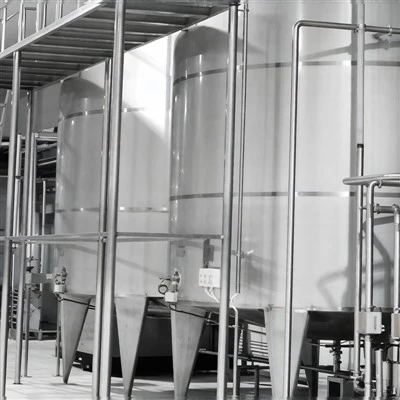
If you’re a brewer, a probiotic maker, a biofuel producer, or anyone working with fermentation and struggling with low yields or inconsistent results, I’d love to chat. We can talk about your specific setup, what aeration challenges you’re facing, and how our systems (or our advice, even if you don’t buy anything from us) can help. Don’t let bad aeration sink your next batch—reach out and let’s fix it together.
Fermentation System References:
- Piskur J, Compagno C, Rozpedowska E. The role of oxygen in yeast metabolism during fermentation. FEMS Yeast Research, 2006;6(7):962-968.
- Atlas RM. Fermentation: Principles and Applications. Pearson Education, 2005.
- Groboillot A, Boon N, Lens P. Oxygen transfer in large-scale fermentation systems: challenges and solutions. Biotechnology Advances, 2014;32(5):933-944.
- de Vuyst L, Leroy F. Lactic acid bacteria in food fermentation. Current Opinion in Biotechnology, 2007;18(2):164-170.
Wenzhou Jinggong Machinery Equipment Co., Ltd.
We are one of the most professional fermentation system manufacturers and suppliers in China. With abundant experience, we warmly welcome you to buy customized fermentation system at competitive price from our factory. If you have any enquiry about quotation, please feel free to email us.
Address: No.Jiadi Industrial Zone, Yaoxi Town, Longwan District, Wenzhou City, China.
E-mail: jinggong2026@163.com
WebSite: https://www.jg-ind.com/
